

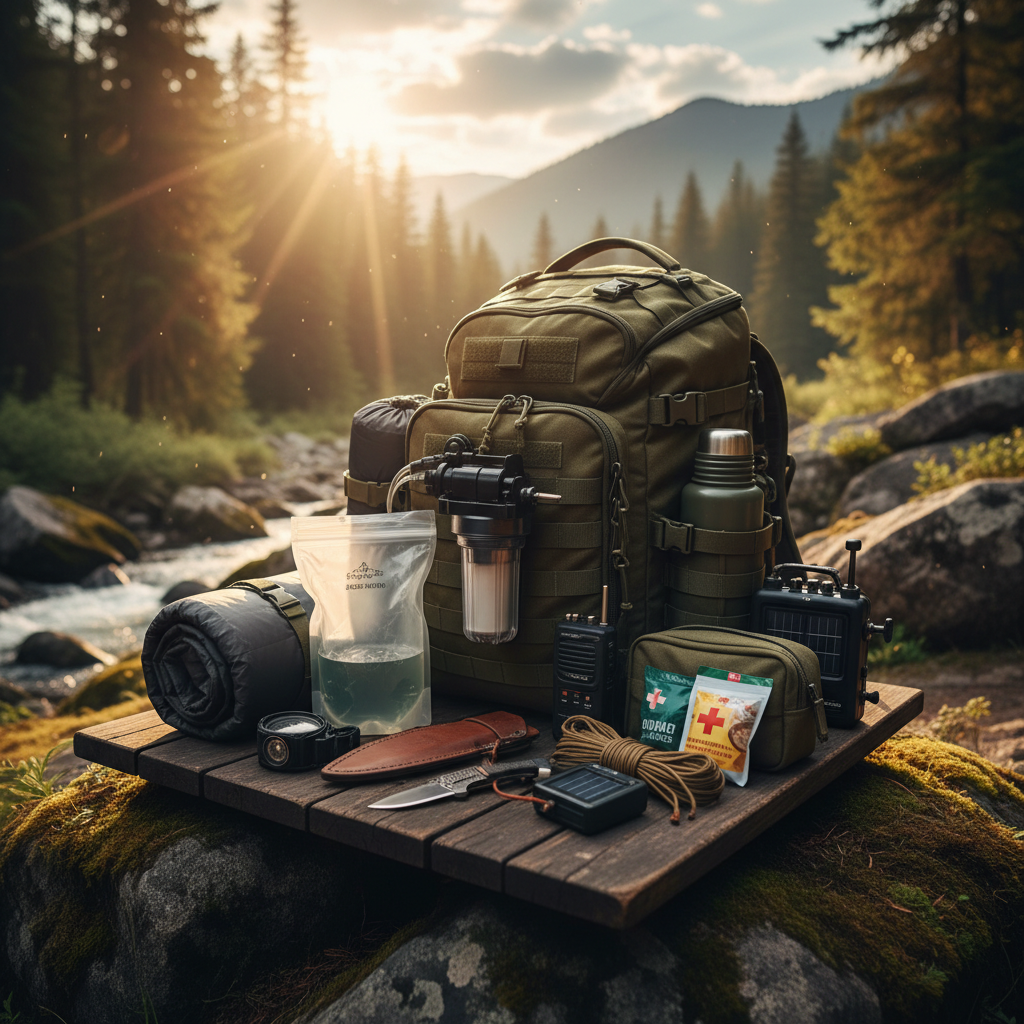
Bug Out Bag Essentials: A Comprehensive Checklist for Every Prepper
When disaster strikes, having a well-prepared bug out bag can be the difference between survival and succumbing to the elements. This comprehensive guide covers the bug out bag essentials you need to create a 72-hour kit that will keep you safe, fed, and protected in an emergency situation. Whether you’re a seasoned prepper or just starting to think about emergency preparedness, this go bag checklist will provide you with the knowledge to assemble a life-saving pack.
Related TacticalProof reading: How to Make a Bugout Plan for You and Your Family | How Long Does Canned Food Really Last After the Expiration Date? | How Can You Start a Fire Using Just Car Parts?
Introduction: The Importance of a Well-Stocked Bug Out Bag
A bug out bag, also known as a 72-hour kit or go bag, is a portable survival kit designed to help you evacuate quickly and efficiently in the event of an emergency. Natural disasters, civil unrest, or personal emergencies can all necessitate a rapid departure from your home. A well-stocked bag contains the survival gear needed to sustain you for at least 72 hours, giving you time to reach a safer location or for help to arrive. Investing time and resources into assembling a comprehensive bug out bag is a crucial step in emergency preparedness.
Water: Hydration is Key
Water is arguably the most critical element for survival. You can only survive for a few days without it. Your bug out bag should include multiple methods for obtaining and purifying water.
Water Filtration
A high-quality water filter is non-negotiable. Consider a portable water filter like the Sawyer Squeeze or a LifeStraw. These filters can remove bacteria, protozoa, and microplastics from contaminated water sources, making them safe to drink. Always test a small amount of filtered water before drinking a large quantity.
Water Storage
Carry at least 3 liters of water per person. Options include:
- Water Bottles: Durable, reusable water bottles are a good starting point.
- Hydration Bladder: A hydration bladder with a drinking tube allows for hands-free hydration while on the move.
- Collapsible Water Containers: These save space when empty and can be filled at a water source.
Tip: Include water purification tablets as a backup in case your filter fails. Follow the instructions carefully and allow sufficient time for the tablets to work.

Food: Non-Perishable Options for Sustained Energy
Choose lightweight, non-perishable foods that provide sustained energy. Aim for foods that require minimal preparation.
Recommended Food Items:
- Energy Bars: High-calorie energy bars are compact and provide a quick energy boost.
- Dried Fruits and Nuts: These are nutrient-dense and have a long shelf life.
- Canned Goods: Canned meats, beans, and vegetables provide protein and essential nutrients. Choose cans with pull-top lids to avoid needing a can opener.
- Freeze-Dried Meals: These are lightweight and require only hot water to rehydrate.
- Hard Candy: Provides a quick sugar rush for energy.
Tip: Consider your dietary needs and preferences when selecting food items. Pack enough food for at least 72 hours, aiming for around 2000 calories per day.
Shelter and Warmth: Protection from the Elements
Exposure to the elements can quickly lead to hypothermia or heatstroke. Your bug out bag should include items to provide shelter and warmth.
Shelter Options:
- Emergency Tent: A lightweight, compact emergency tent can provide protection from rain, wind, and sun.
- Tarp: A tarp can be used to create a makeshift shelter or as a ground cover.
- Bivy Sack: A bivy sack is a waterproof and windproof bag that slips over your sleeping bag for added protection.
Warmth:
- Sleeping Bag: Choose a sleeping bag rated for the temperatures you expect to encounter.
- Emergency Blanket: A lightweight, reflective emergency blanket can trap body heat and prevent hypothermia.
- Warm Clothing: Pack layers of warm clothing, including a hat, gloves, and socks. Wool or synthetic materials are preferable to cotton, as they retain warmth even when wet.
Safety Warning: Never use a gas stove or open flame inside a tent or enclosed space due to the risk of carbon monoxide poisoning.
First Aid: Treating Injuries and Illnesses in the Field
A comprehensive first aid kit is essential for treating injuries and illnesses in the field. Your kit should include:
Essential First Aid Supplies:
- Bandages: Assorted sizes of bandages for cuts and scrapes.
- Antiseptic Wipes: To clean wounds and prevent infection.
- Pain Relievers: Ibuprofen or acetaminophen for pain and fever.
- Antihistamines: For allergic reactions.
- Antibiotic Ointment: To prevent infection in wounds.
- Gauze Pads: For wound dressing.
- Medical Tape: To secure bandages.
- Tweezers: To remove splinters or debris.
- Scissors: To cut bandages or clothing.
- CPR Mask: For performing CPR safely.
- Latex-Free Gloves: To protect yourself from bodily fluids.
- First Aid Manual: A guide to treating common injuries and illnesses.
Tip: Consider taking a first aid and CPR course to learn how to use the supplies in your kit effectively. Don’t forget any prescription medications you require.
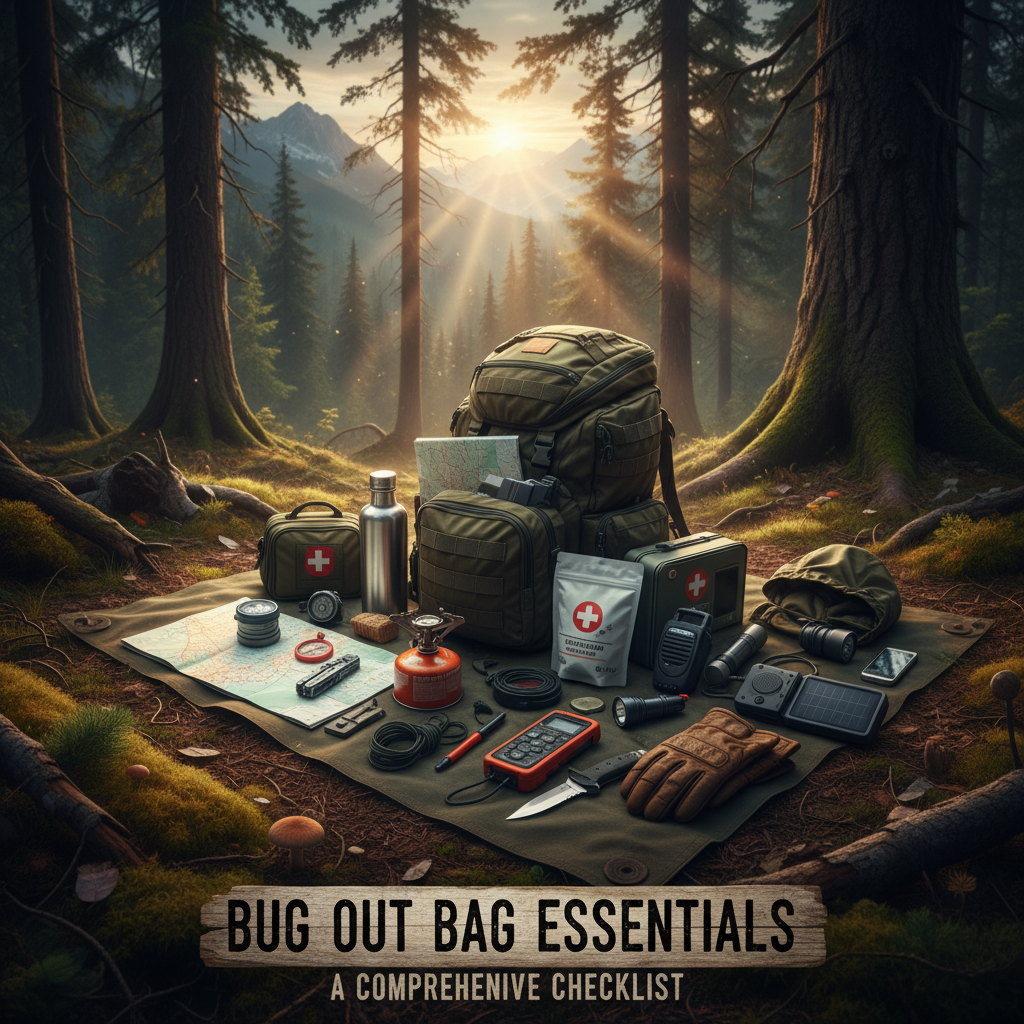
Navigation and Communication: Staying Oriented and Connected
In an emergency, staying oriented and connected to the outside world is crucial.
Navigation Tools:
- Map and Compass: Learn how to use a map and compass to navigate in unfamiliar terrain. Practice using them before an emergency.
- GPS Device: A GPS device can provide accurate location information, but it relies on battery power.
Communication Devices:
- Two-Way Radio: A two-way radio allows you to communicate with others in your group or to contact emergency services.
- Emergency Radio: A hand-crank or solar-powered emergency radio can provide weather updates and news.
- Whistle: A whistle can be used to signal for help.
Practical Tip: Familiarize yourself with the local area and identify potential evacuation routes. Download offline maps to your phone or GPS device in case you lose cell service.
Tools and Security: Essential Gear for Survival
Having the right tools can make a significant difference in your ability to survive. Also consider self-defense options.
Essential Tools:
- Knife: A sturdy knife is an essential tool for cutting, preparing food, and self-defense.
- Fire Starter: A fire starter, such as a ferro rod or waterproof matches, is crucial for starting a fire for warmth, cooking, and signaling.
- Multi-Tool: A multi-tool combines several useful tools into one compact device.
- Duct Tape: Duct tape has countless uses, from repairing gear to creating makeshift shelters.
- Rope or Cordage: Rope or cordage can be used for a variety of tasks, such as building shelters, securing gear, and rescuing people.
- Headlamp or Flashlight: A headlamp or flashlight is essential for navigating in the dark.
Security:
- Self-Defense Tool: Consider a legal self-defense tool like pepper spray or a personal alarm.
Safety Warning: Learn how to use your tools safely and effectively before an emergency. Practice starting a fire in a controlled environment.
Personal Items: Hygiene and Comfort
Maintaining hygiene and comfort can improve morale and prevent illness.
Hygiene Items:
- Toilet Paper: Pack a roll of toilet paper in a waterproof bag.
- Hand Sanitizer: To clean your hands when soap and water are not available.
- Soap: Biodegradable soap for washing your hands and body.
- Toothbrush and Toothpaste: To maintain oral hygiene.
- Feminine Hygiene Products: If applicable.
Comfort Items:
- Medications: Pack any prescription medications you require, as well as over-the-counter medications for common ailments.
- Eyeglasses or Contacts: If you wear glasses or contacts, pack an extra pair.
- Cash: Carry some cash in small denominations, as electronic payment systems may not be available.
- Important Documents: Keep copies of important documents, such as identification, insurance cards, and medical records, in a waterproof bag.
FAQ: Bug Out Bag Essentials
What is the most important item in a bug out bag?
While all items are important, water and a reliable method of water purification are arguably the most critical. You can only survive for a few days without water.
How much should a bug out bag weigh?
A general guideline is that your bug out bag should weigh no more than 20% of your body weight. However, this depends on your fitness level and the terrain you expect to encounter. Prioritize essential items and avoid unnecessary weight.
Where should I store my bug out bag?
Store your bug out bag in a readily accessible location, such as near your front door, in your car, or in a closet. Make sure everyone in your household knows where it is and what it contains.
How often should I check and update my bug out bag?
You should check and update your bug out bag at least twice a year, or more frequently if you live in an area prone to natural disasters. Replace expired food and water, check batteries, and update any medications or personal items.
