


Decoding Edible Insects: A Backpacker’s Guide to Safe Foraging
For backpackers and survivalists, knowing how to find alternative food sources is crucial. In a pinch, edible insects survival knowledge can be a lifesaver. Insects are abundant, surprisingly nutritious, and readily available in many environments. This guide will equip you with the knowledge to safely identify, harvest, and prepare insects as a valuable emergency food source.
Related TacticalProof reading: Why Choose Lightweight Camping Gear for Survival? | Bug Out Bag Essentials: A Comprehensive Checklist for Eve… | How Long Does Canned Food Really Last After the Expiration Date?
Introduction: Why Insects?
Why consider insects as backpacking food? The answer is simple: availability and nutrition. In many parts of the world, insects are far more plentiful than other sources of protein. They require less land, water, and feed compared to livestock, making them a sustainable option. In a survival situation, these factors become even more critical.
Imagine being lost in the wilderness with dwindling supplies. Knowing how to identify and safely consume insects could mean the difference between survival and succumbing to starvation. This guide provides practical information to make that knowledge accessible.
The Nutritional Value of Insects
Don’t underestimate the power of insects! They are packed with essential nutrients. Many species boast high levels of protein, healthy fats, vitamins, and minerals. For example:
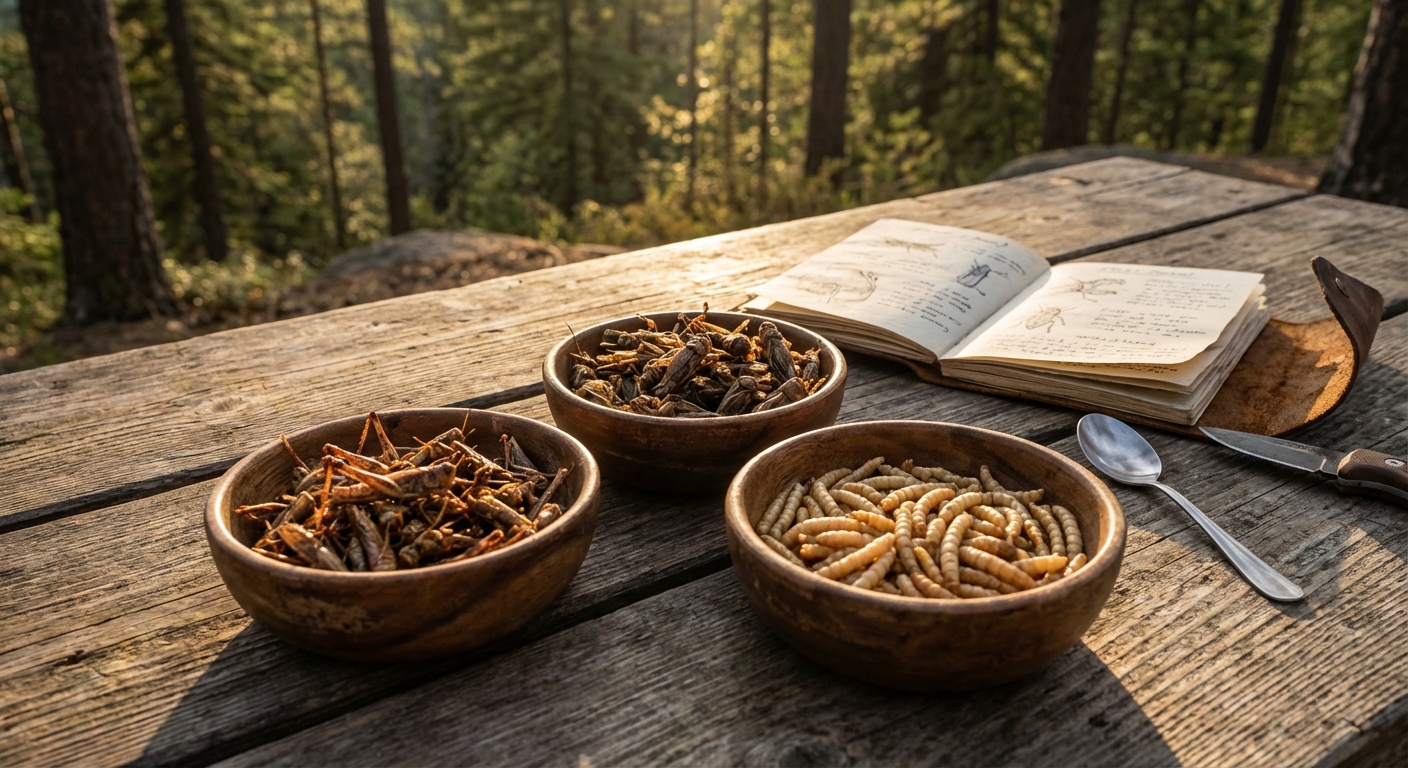
- Crickets: Excellent source of protein, iron, and calcium.
- Grasshoppers: Rich in protein and omega-3 fatty acids.
- Mealworms: Contain essential amino acids and vitamins.
The exact nutritional content varies depending on the species and its diet, but generally, insects offer a concentrated dose of energy and vital nutrients, making them an ideal protein source wilderness.
Identifying Safe vs. Unsafe Insects
This is the most crucial aspect of foraging for insects. Misidentification can lead to serious illness or even death. Here are some key guidelines for insect identification and safety:
- Avoid brightly colored insects: Bright colors often signal toxicity.
- Avoid hairy or spiny insects: These may have irritating or poisonous defenses.
- Avoid insects that smell strongly: A pungent odor can indicate toxicity.
- Avoid insects found on or near poisonous plants: They may have ingested toxins.
- Cook all insects thoroughly: Cooking kills parasites and bacteria.
Never eat insects that you are unsure about. When in doubt, throw it out!
Specific Insects to AVOID:
- Caterpillars with bright colors or spines: Many are poisonous.
- Spiders: While some are edible, identifying safe spiders requires expert knowledge. It’s best to avoid them altogether.
- Bees and Wasps: Unless you are experienced and prepared for potential allergic reactions, avoid these stinging insects.
Common Edible Insects by Region
The availability of edible insects varies greatly depending on the geographical location. Here are some examples of common edible insects found in different regions:
- North America: Grasshoppers, crickets, ants (especially ant larvae), cicadas.
- South America: Palm weevil larvae, ants, termites.
- Africa: Mopane worms, termites, grasshoppers.
- Asia: Bamboo worms, silkworm pupae, crickets.
- Europe: While less common, some species of grasshoppers and crickets are edible.
Before heading out on a backpacking trip, research the specific edible insects found in your destination. Local guides or entomologists can provide valuable information.
Safe Harvesting and Preparation Techniques
Once you’ve identified safe insects, you need to harvest and prepare them properly. Here are some essential foraging safety tips:
- Harvesting: Use a net or your hands to collect insects. Be careful to avoid being stung or bitten.
- Killing: Place insects in a container and freeze them or boil them briefly to kill them humanely.
- Cleaning: Remove wings, legs, and other hard parts.
- Cooking: Cooking is essential to kill parasites and bacteria. Roasting, frying, or boiling are all effective methods. Aim for an internal temperature of at least 165°F (74°C).
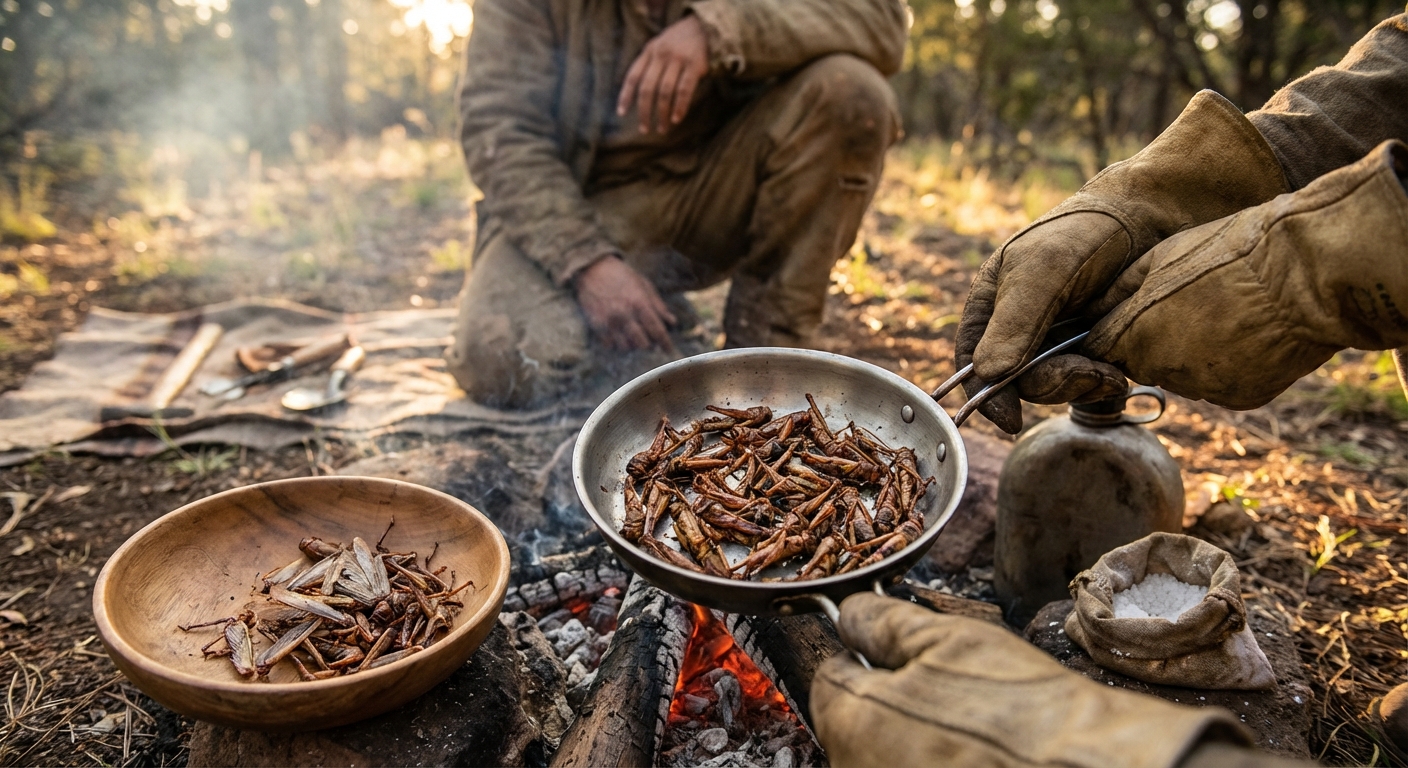
Example Preparation: Roasted Grasshoppers
- Collect grasshoppers.
- Remove wings and legs.
- Rinse thoroughly.
- Roast over a fire or in a pan until crispy (approximately 15-20 minutes).
- Season with salt and pepper (if available).
Potential Risks and Allergies
While insects are generally safe to eat when properly identified and prepared, there are potential risks to be aware of:
- Allergies: Some people are allergic to insects, especially those with shellfish allergies. Start with a small amount to test for any reaction.
- Pesticide contamination: Avoid collecting insects from areas that may have been treated with pesticides.
- Parasites and bacteria: Thorough cooking is essential to kill any harmful organisms.
- Chitin: The exoskeleton of insects contains chitin, which can be difficult to digest for some people.
If you experience any adverse reactions after eating insects, seek medical attention immediately.
Ethical Considerations of Insect Consumption
Before consuming insects, consider the ethical implications. Overharvesting can deplete local populations and disrupt ecosystems. Practice sustainable foraging by only taking what you need and leaving enough for the insects to reproduce. Be mindful of the impact your actions have on the environment.
Conclusion: Insects as a Viable Survival Food
Insects offer a valuable and sustainable food source for backpackers and survivalists. By learning how to identify, harvest, and prepare them safely, you can significantly increase your chances of survival in a wilderness situation. Remember to prioritize safety, practice ethical foraging, and always cook insects thoroughly. With the right knowledge and preparation, insects can be a surprisingly nutritious and readily available emergency food source.
FAQ: Edible Insects
-
Are all insects edible?
No, many insects are poisonous or otherwise unsafe to eat. It’s crucial to properly identify insects before consumption.
-
How do I know if I’m allergic to an insect?
If you have shellfish allergies, you may also be allergic to insects. Start with a small amount and watch for any signs of an allergic reaction, such as hives, itching, or difficulty breathing.
-
Do I need to cook insects before eating them?
Yes, cooking is essential to kill parasites and bacteria that may be present in insects. Aim for an internal temperature of at least 165°F (74°C).
-
What is the best way to find edible insects?
Look for insects in areas where they are abundant, such as meadows, forests, and near water sources. Research the specific edible insects found in your region.
