


Securing Your Homestead: A Prepper’s Guide to Perimeter Defense Systems
For preppers, a self-sufficient homestead represents security and independence. However, this haven can become a target without adequate protection. Implementing effective perimeter defense systems is paramount to safeguarding your property, family, and resources. This guide provides a comprehensive overview of how to establish a robust security plan, incorporating physical barriers, early warning systems, and strategic tactics.
Related TacticalProof reading: Are Opossums Dangerous? | Is Waterfall Water Safe to Drink?
Introduction: Why Perimeter Defense is Crucial for Preppers
The core principle of prepping is self-reliance, and that extends to security. Relying solely on local law enforcement during a crisis may not be feasible. A well-designed perimeter defense system acts as a crucial first line of defense, providing early warning of potential threats and deterring intruders before they reach your home. It buys you valuable time to react, assess the situation, and implement your preparedness plan.
Consider the potential scenarios: economic collapse, natural disasters, civil unrest. In each case, resources become scarce, and desperation can drive individuals to take extreme measures. A visible and effective perimeter defense system signals that your homestead is not an easy target, potentially diverting unwanted attention elsewhere.
Understanding Your Threat Landscape: Assessing Potential Risks
Before implementing any security measures, it’s crucial to analyze your specific threat landscape. This involves identifying potential risks based on your location, resources, and the current socio-political climate. Ask yourself:
- Location: Are you in a rural, suburban, or urban area? Rural areas may face threats from wildlife and opportunistic thieves, while urban areas may experience higher rates of property crime.
- Resources: Do you have valuable resources like livestock, gardens, or stored supplies that could attract unwanted attention?
- Accessibility: How easily accessible is your property? Are there natural barriers like forests or hills, or is it open and exposed?
- Local Crime Statistics: Research crime rates in your area to understand the types of threats you’re most likely to face.
- Potential Social Unrest: Consider potential scenarios that could lead to social unrest and increased crime.
Once you’ve identified potential threats, you can tailor your perimeter defense system to address those specific risks.
Layered Security Approach: Creating Multiple Lines of Defense
The most effective perimeter defense systems employ a layered approach, creating multiple obstacles and detection methods. This ensures that even if one layer is breached, others remain in place to deter or delay intruders. A typical layered security system might include:
- Outer Perimeter: This is the outermost boundary of your property, designed to deter casual trespassers. Examples include signage, natural barriers, and simple fencing.
- Early Warning Zone: This zone focuses on detecting intruders before they reach your main property. Motion sensors, game cameras, and tripwires can be used in this layer.
- Physical Barrier: This layer aims to physically prevent or delay intruders from entering your property. Fences, walls, and reinforced gates are common examples.
- Inner Perimeter: This is the area immediately surrounding your home or other critical structures. It should be the most heavily defended zone, with robust physical barriers, surveillance systems, and alarms.
- Personal Defense: The final layer involves your personal preparedness to defend yourself and your family if all other layers are breached. This includes firearms training, self-defense skills, and a well-defined emergency plan.
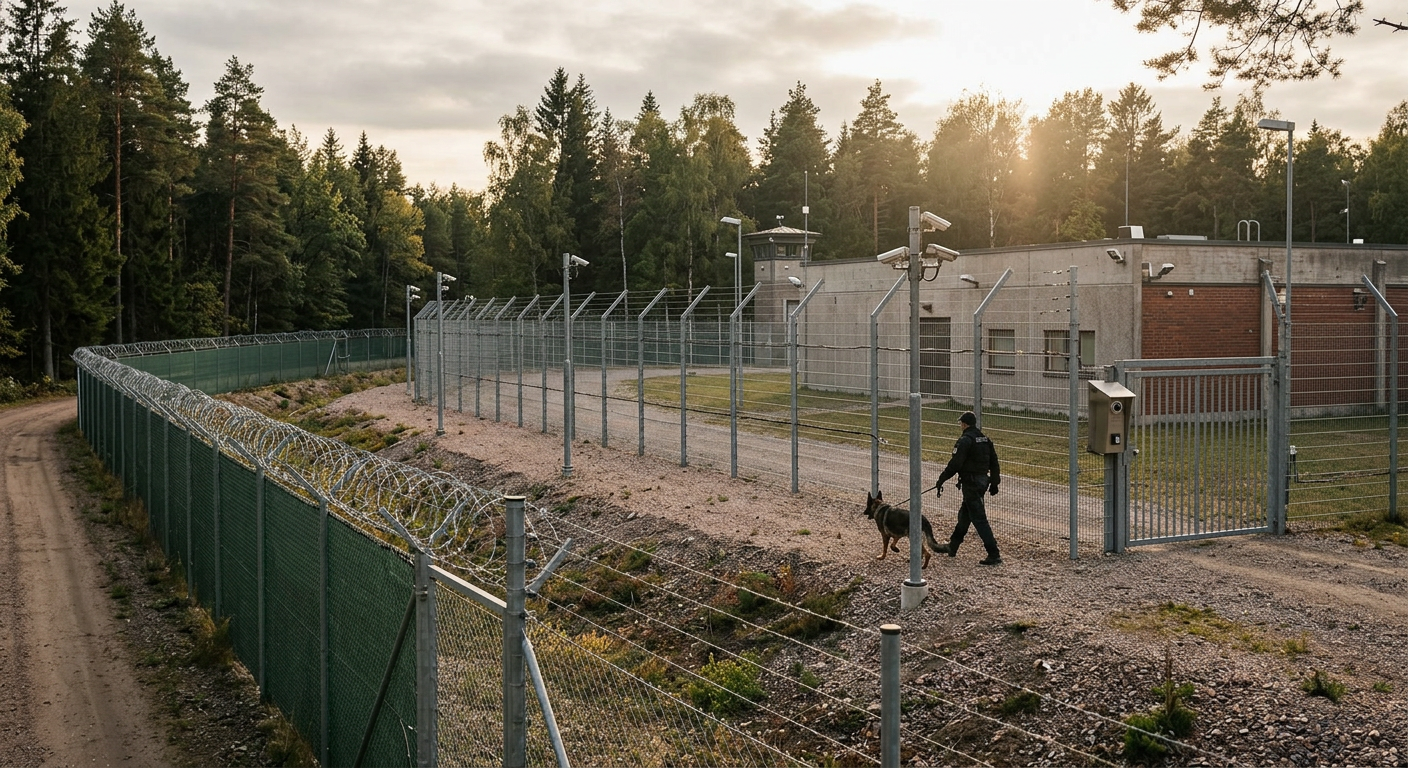
Physical Barriers: Fences, Walls, and Natural Obstacles
Physical barriers are a critical component of any perimeter defense system. They provide a physical obstacle that deters intruders and buys you valuable time. Consider these options:
- Fences: Chain-link fences are a common and relatively inexpensive option. However, they can be easily climbed. Consider adding barbed wire or razor wire to the top for added security. Privacy fences made of wood or vinyl offer more concealment but may be more vulnerable to damage. Electric fences are highly effective but require careful installation and maintenance to avoid accidental shocks.
- Walls: Walls offer superior protection compared to fences but are also more expensive and require more construction. Concrete walls are the most durable but can be visually unappealing. Brick or stone walls offer a more aesthetically pleasing option.
- Natural Obstacles: Utilize natural features to create barriers. Thorny bushes, dense vegetation, and strategically placed rocks can deter intruders. Consider planting a hedgerow of thorny plants like roses or hawthorn along your property line.
- Gates: Gates are a critical point of vulnerability. Ensure your gates are strong, well-maintained, and equipped with secure locking mechanisms. Consider using multiple locks or a combination lock for added security.
Important Considerations:
- Local Regulations: Check local zoning regulations and building codes before constructing any physical barriers.
- Visibility: While privacy is important, avoid creating barriers that completely block your view of the surrounding area. This can make it easier for intruders to approach undetected.
- Maintenance: Regularly inspect and maintain your physical barriers to ensure they remain in good condition.
Early Warning Systems: Motion Sensors, Alarms, and Surveillance
Early warning systems provide crucial advance notice of potential threats, allowing you to react quickly and effectively. Consider these options:
- Motion Sensors: Motion sensors detect movement within a specific range and can trigger an alarm or activate a surveillance camera. Choose sensors that are designed for outdoor use and are resistant to false alarms caused by animals or weather.
- Alarms: Alarms can be audible or silent. Audible alarms deter intruders and alert neighbors to a potential problem. Silent alarms notify you or a monitoring service without alerting the intruder.
- Surveillance Cameras: Surveillance cameras provide visual evidence of intruders and can deter crime. Choose cameras with night vision capabilities and consider using a cloud-based storage system to protect your footage. Wireless cameras offer flexibility in placement but require a reliable power source and internet connection.
- Game Cameras: Game cameras, also known as trail cameras, are designed to capture images or videos of wildlife. They can also be used to detect human intruders. Choose cameras with infrared flash for nighttime use.
- Tripwires: Tripwires can be used to trigger an alarm or activate a surveillance camera. They are particularly effective in areas where intruders are likely to approach on foot.
Practical Tip: Integrate your early warning systems with your smartphone or other mobile device. This allows you to receive alerts and view camera footage remotely.
Implementing a Security Plan: Integrating Technology and Tactics
A comprehensive security plan integrates technology and tactics to create a robust defense. This plan should include:
- Defined Response Protocols: Establish clear protocols for responding to different types of threats. Who is responsible for what? What are the escape routes? Where are the safe rooms?
- Communication Plan: How will you communicate with family members during an emergency? Establish a designated meeting point and a backup communication method in case cell service is unavailable.
- Regular Drills: Conduct regular drills to practice your security plan. This will help ensure that everyone knows what to do in an emergency.
- Neighborhood Watch: Consider forming a neighborhood watch program to increase vigilance and cooperation among neighbors.
- Lighting: Install motion-activated lights around your property to deter intruders and improve visibility.
Example Scenario:
A motion sensor detects movement in your early warning zone at 2:00 AM. The sensor triggers an alarm on your smartphone. You check the surveillance camera footage and see an unknown individual approaching your property. You immediately alert your family, grab your firearm, and move to a designated safe room. You call the local authorities and provide them with a description of the intruder and their location.

Maintaining and Upgrading Your Perimeter Defense
Perimeter defense is not a one-time project; it requires ongoing maintenance and upgrades. Regularly inspect your physical barriers for damage and repair any issues promptly. Test your early warning systems to ensure they are functioning correctly. As technology evolves, consider upgrading your security systems to take advantage of new features and capabilities. Also, review and update your security plan regularly to address changing threats and vulnerabilities.
Seasonal Considerations:
- Winter: Clear snow and ice from walkways and driveways to prevent slips and falls. Ensure that your surveillance cameras are not obstructed by snow.
- Spring: Trim overgrown vegetation that could provide cover for intruders. Inspect your fences for damage caused by winter weather.
- Summer: Be aware of increased activity in your area and take extra precautions to secure your property.
- Fall: Prepare your property for winter weather by clearing leaves and debris.
Legal and Ethical Considerations for Perimeter Security
It’s crucial to understand the legal and ethical implications of your perimeter security measures. Avoid using excessive force or setting traps that could cause serious injury or death. Be aware of local laws regarding the use of firearms and self-defense. Consult with an attorney to ensure that your security measures are legal and compliant with local regulations. Also, consider the ethical implications of your actions. Are you creating a safe environment for your family without posing a danger to others?
Disclaimer: This guide is for informational purposes only and should not be considered legal advice. Consult with an attorney to ensure that your security measures are legal and compliant with local regulations.
FAQ: Perimeter Defense Systems
What is the most important aspect of a perimeter defense system?
Early detection is arguably the most crucial aspect. Having ample warning allows you to assess the threat, alert your family, and implement your defense plan effectively.
How much should I spend on a perimeter defense system?
The cost varies greatly depending on the size of your property, the level of security you desire, and the specific technologies you choose. Start by assessing your needs and budget, then prioritize the most critical areas.
Are electric fences legal in my area?
Regulations regarding electric fences vary widely by location. Check with your local authorities to determine if electric fences are permitted and what specific requirements apply.
Can I use lethal force to defend my property?
The use of lethal force is a complex legal issue that varies by jurisdiction. Generally, you are only justified in using lethal force if you are in imminent danger of death or serious bodily harm. Consult with an attorney to understand the laws in your area.
