


To clean a wound in the wild, start by ensuring your area is safe and gather supplies like clean water, gauze, and antiseptic. Wash your hands thoroughly, using alcohol-based sanitizer if soap isn't available, then wear protective gloves. Assess the wound for debris and signs of infection. Rinse the wound with clean, potable water, applying gentle pressure to flush out dirt. Remove visible debris with clean tweezers and clean around the wound with antiseptic. After cleaning, cover the wound with sterile gauze. Monitor for infection and change dressings regularly. There's more effective techniques to enhance care further.
Preparation and Safety
When you're in the wild, preparing for potential injuries is crucial. Knowing how to handle wounds can make a big difference. First, you should always wear protective gear, like gloves and glasses, to keep bodily fluids away from you. When you find a wound, assess it carefully. Look for signs that might mean it's high-risk for wound infection, such as bites or visibly dirty wounds. If you notice any bleeding, apply direct pressure to control it.
If the wound seems severe or you can't clean it properly, consider evacuation right away. Remember, wilderness first aid is about making smart decisions when help isn't close by.
Once you've ensured your safety, it's time to clean the wound. Use clear water to rinse away debris and dirt. You can apply mild soap around the area but avoid putting it directly on the wound itself. If you see any foreign matter, use tweezers to gently remove it, being careful not to damage blood vessels. It is essential to use a minimum of 500ml of disinfected water for effective irrigation to ensure the wound is properly cleaned. Additionally, be aware that vigilance in wound care is crucial to prevent minor wounds from becoming life threats.
After cleaning, cover the wound with a sterile bandage. It's a good idea to put antibiotic ointment on the bandage instead of directly on the wound to help prevent infection. Remember to check the wound regularly for signs of infection, like redness or swelling. Staying prepared and knowing how to respond effectively can help ensure you stay safe during your outdoor adventures.
Washing Hands Properly
After attending to a wound in the wild, washing your hands properly is vital to prevent infection and maintain hygiene. You can prevent the spread of germs by following these hand washing techniques. First, wet your hands with warm water and apply enough soap to create a lather. Wash for at least 20 seconds, covering all surfaces of your hands, including between your fingers, under your nails, and around your wrists. Rinse thoroughly and dry your hands with a single-use towel. Additionally, practicing hygiene principles is essential in ensuring that clean hands reduce the risk of introducing harmful germs into the wound. Remember, clean hands help prevent infections, making them a crucial first step in wound care.
Here's a simple table to help you remember the key steps:
| Step | Action | Duration |
|---|---|---|
| 1. Wet hands | Use warm water to wet your hands | 5 sec |
| 2. Apply soap | Use enough soap to create a lather | 5 sec |
| 3. Rub palms | Rub palms together | 5 sec |
| 4. Clean fingers | Interlock fingers and clean them | 5 sec |
| 5. Rinse & Dry | Rinse thoroughly and dry with a towel | 5 sec |
These hygiene practices are essential before and after handling wounds. Clean hands reduce the risk of introducing harmful germs into the wound. If soap and water aren't available, use an alcohol-based sanitizer with at least 60% alcohol. Remember, regular hand washing is crucial, especially when dealing with bodily fluids. Proper hand hygiene not only protects you but also ensures the safety of others around you.
Using Protective Gloves
Using protective gloves is essential for ensuring your safety and preventing contamination while cleaning wounds in the wild. When you're dealing with injuries, wearing the right gloves can help protect you from bloodborne pathogens and other harmful contaminants. There are different glove types to consider, with nitrile gloves being popular for their durability and chemical resistance. Latex gloves can also be used, but be cautious as they might trigger allergic reactions in some people. Additionally, having a proper NOLS Wilderness Medicine Advanced Wound Care Pack on hand can enhance your preparedness for treating various wounds. It's vital to remember that thorough hand washing is essential to prevent contamination before and after glove use.
Here are some key points to remember when using protective gloves:
- Always sanitize your hands before putting on gloves.
- Inspect gloves for any tears or punctures before use.
- Put on gloves right before you start cleaning the wound.
- Dispose of used gloves properly in a biohazard bin.
Proper glove disposal is crucial to avoid cross-contamination. Once you've finished treating a wound, carefully remove the gloves without touching the outer surface. Remember, gloves don't replace good hand hygiene, so maintaining clean hands is still important.
Gathering Necessary Supplies
Once you've put on your protective gloves, the next step is gathering the necessary supplies to clean the wound effectively. First, you'll need irrigation tools. Grab an irrigation syringe, either 10cc or 20cc, and a sterile saline solution or clean water for flushing out debris. Keep sterile and non-sterile gauze pads handy, along with cotton tip applicators for gentle cleaning. Don't forget tweezers or splinter/tick remover forceps, as they're essential for removing any stubborn debris.
Next, prepare your cleaning solutions. Antibacterial soap is crucial for washing your hands and the area around the wound. While iodine or povidone-iodine solution can be helpful, it's not recommended for direct application on the wound itself. If you have hydrocortisone cream, it's great for treating allergic reactions and inflammation. Consider saline or alcohol-free wipes for gentle cleaning too. Additionally, it's wise to have a Wilderness First Aid Manual handy for guidance on treating injuries effectively. Having a well-stocked first aid kit, such as a kit designed for ten people in backcountry, ensures you have all the necessary supplies for various emergencies.
Protecting the wound is just as important. Gather various sizes of sterile gauze dressings to cover the wound. Non-adherent dressings will help minimize sticking, while elastic bandages can secure them in place. Butterfly bandages or wound closure strips are perfect for small wounds, and adhesive tape helps keep everything secure.
Finally, include some miscellaneous supplies. Latex-free or nitrile gloves protect against wound infection. Safety pins, first aid scissors, and antiseptic wipes are also useful tools for a well-rounded first aid kit. With these supplies gathered, you'll be ready to tackle cleaning a wound in the wild.
Assessing the Environment
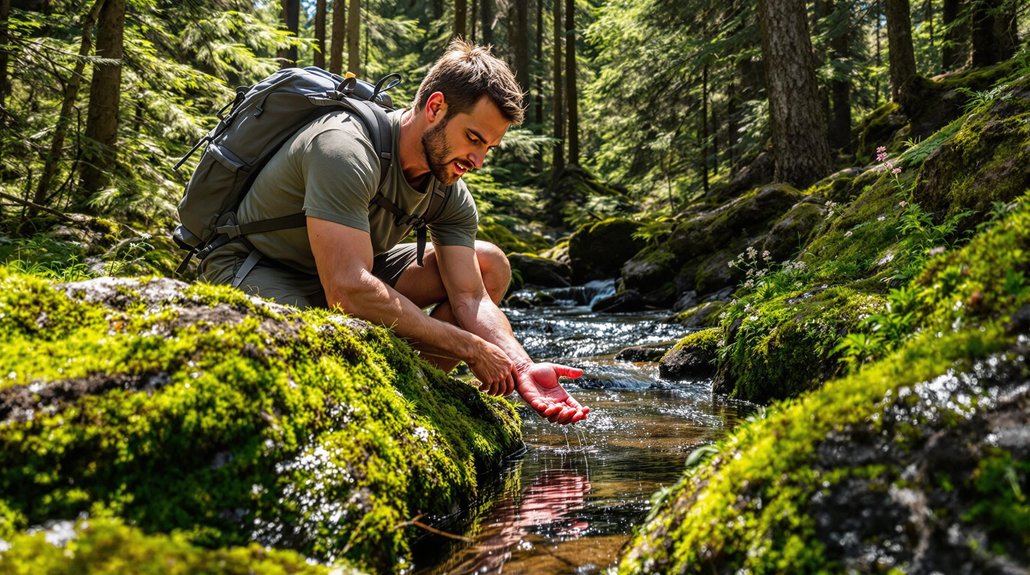
Assessing your environment is crucial for effective wound cleaning in the wild. By understanding your surroundings, you can minimize contamination and ensure a safer process. Start by identifying potential contamination sources and environmental factors that could impact the wound's healing. Consider these important elements:
- Cleanliness: Make sure the area is free from debris and dirt.
- Water Source: Locate a clean water source for irrigation and cleaning.
- Animal and Insect Vectors: Be aware of animals and insects that could introduce infection.
- Weather Conditions: Keep an eye on temperature and humidity, as they affect healing.
Evaluate any environmental hazards that might complicate your efforts. Look for contaminated water sources or areas where animals frequent. Remember, the patient's comfort is also vital, so position them safely away from potential contaminants and elements.
Before you start cleaning the wound, it's essential to gather available resources, like soap, gloves, and sterile gauze. Assess how far you are from medical care, as this will influence your treatment plan. If you have to travel a long distance, prioritize keeping the wound clean and protected. Additionally, be prepared to use improvised materials if necessary to assist in the cleaning process.
Lastly, always wear personal protective equipment, like gloves, to prevent exposure to bodily fluids and potential infections. Furthermore, ensure that you have a plan for controlling bleeding before initiating the cleaning process. By carefully assessing your environment, you can take crucial steps to ensure a more effective wound cleaning process in the wild.
Evaluating the Wound
After ensuring your environment is safe, it's time to evaluate the wound. Start by conducting a thorough wound assessment. Look for any immediate threats to life, such as severe bleeding. If you find life-threatening bleeding, apply direct pressure or use a tourniquet to control it. Next, check the patient's responsiveness. Are they alert or do they respond to pain? Ensure their airway is clear and that they're breathing adequately.
Once you've taken these critical steps, uncover the wound for a proper inspection. Look closely for infection signs, like swelling, redness, warmth, or pus. Identify the type of wound: is it superficial, partial-thickness, or full-thickness? Also, check for any embedded objects that may need to be removed.
In addition to examining the wound, monitor vital signs. Record the patient's responsiveness, heart rate, and breathing patterns. Look for signs of shock, such as pale skin or rapid heart rate. Evaluate circulation by checking the pulse and capillary refill time.
Throughout this process, document all your findings. This information is vital for determining if evacuation is necessary. If the wound shows signs of serious infection or is heavily contaminated, you may need immediate medical attention. Consider the risk of infection and think about ongoing care if evacuation isn't possible right away. This careful evaluation can make a significant difference in the patient's outcome.
Irrigation Techniques
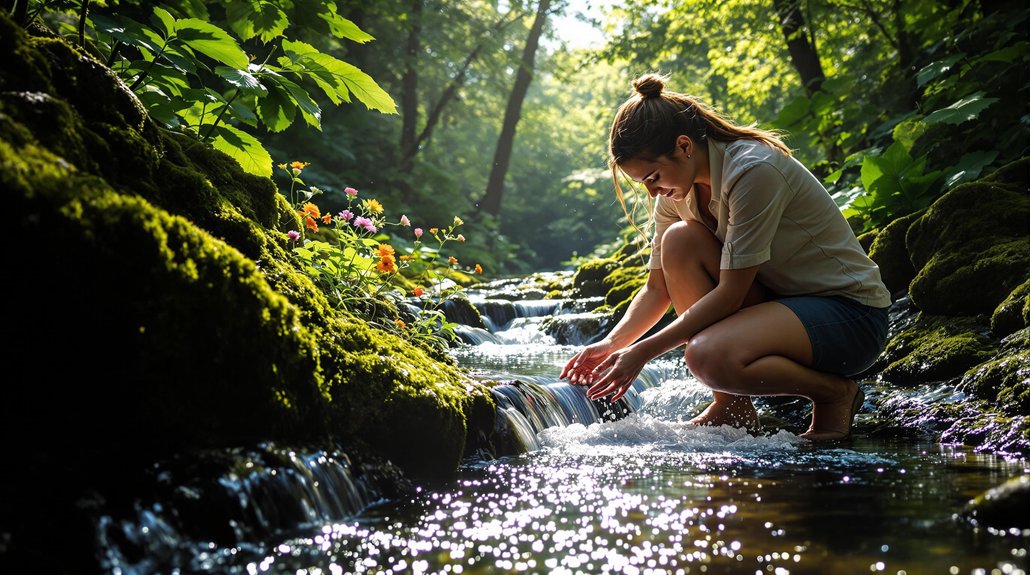
Irrigation techniques are crucial for effectively cleansing a wound and preventing infection in the wild. You'll need to use improvised irrigation methods to ensure that the wound is thoroughly cleaned. Here are some important points to consider:
- Improvised tools: Use compressible water bottles or syringes, which can create the necessary pressure for effective irrigation.
- Pressure application: Aim for 1-15 psi of pressure to help dislodge debris. Intermittent pulses work better than a single stream.
- Volume of fluid: You may need up to 1 liter of water to rinse the wound properly, especially if it's heavily contaminated.
- Direction and control: Direct the flow of water carefully, ensuring that all areas of the wound are flushed out.
Begin by filling your syringe or bottle with clean water. If you're using a syringe, select one with a capacity of 12cc to 60cc for better control. Position the tip against the wound and apply pressure, flushing out debris. Repeat this process until the water runs clear, indicating the wound is clean.
If irrigation alone doesn't remove all visible particles, you might need to scrub gently with a sterile tool. Remember, cleanliness is key! Continue to monitor the wound for signs of infection, and don't hesitate to seek medical help if necessary. Proper irrigation is your first step toward effective wound care in the wild.
Importance of Clean Water
Clean water's role in wound cleaning can't be overstated. When you're out in the wild, finding clean water is crucial for treating wounds effectively. Contaminated water can introduce harmful pathogens, leading to infections and complications. You need to ensure that the water you use is as pure as possible. Here are some common water sources and purification techniques to consider:
| Water Source | Purification Technique |
|---|---|
| Streams and Rivers | Boiling: Boil for at least 5 minutes |
| Lakes and Ponds | Chemical Treatment: Use tablets/drops |
| Rainwater | Filtration: Use a water filter |
| Snow or Ice | UV Light: Effective in clear water |
Boiling is the most effective method, killing both bacteria and viruses. Simply boil clear water for at least five minutes. If boiling isn't an option, consider using chemical treatments with purification tablets or drops, allowing water to rest for at least 20 minutes. Filtration systems can help remove physical contaminants but may not eliminate all microbes, so combining methods is often wise. UV light is another option—just ensure your water is clear for it to work properly.
Always prioritize clean water to keep your wound cleaning process safe and effective. By knowing how to identify water sources and use purification techniques, you can minimize risks and promote healing in the wild.
Effective Debris Removal
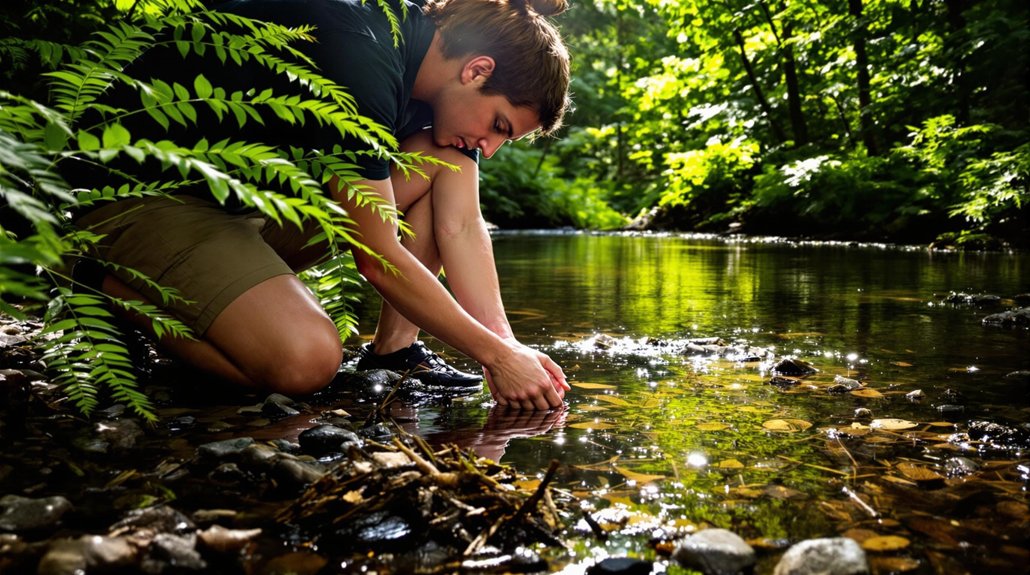
When you're dealing with a wound in the wild, effective debris removal is crucial to preventing infection and promoting healing. Debris types can include dirt, wood splinters, or even small stones. To remove these effectively, you'll need the right removal tools. Here's what to keep in mind:
- Use tweezers: Clean them with povidone-iodine or boil them before using. Tweezers help you remove larger pieces of debris while avoiding pushing anything deeper into the wound. For tiny particles, tweezers are often necessary, so use them under magnification if you have it.
- Irrigate the wound: Use clean, potable water to flush out debris. A syringe can provide pressure irrigation, which is especially useful for deeper wounds. Aim for short bursts of water to avoid further injury.
- Identify high-risk wounds: If the wound is from a bite or visibly dirty, take extra care in your removal methods.
- Protect yourself: Always wear gloves and protective eyewear to prevent contamination while you work.
After using these tools and techniques, make sure to clean the wound with fresh water and gently dry the area. Applying a topical antibiotic ointment can help prevent infection. Always keep an eye on the wound for any signs of infection, and remember that thorough debris removal is your first step in ensuring proper healing.
Cleaning Around the Wound
After effectively removing debris, the next step is to focus on cleaning around the wound. Start by washing your hands thoroughly with soap and water to avoid contaminating the area. Once your hands are clean, put on a pair of medical gloves. This protects both you and the injured person from potential infections.
Now, make sure the wound is easy to access. You'll want to scrub the skin surrounding the wound gently with mild soap and sterile gauze pads. Be careful during this process; avoid pushing any debris back into the wound. If you notice larger pieces of debris, use cleaned tweezers to remove these carefully. Always ensure the water you use for cleaning is disinfected—this can be done using iodine tablets or boiling the water.
When cleaning the skin, remember to go at least one inch beyond the wound margins. This helps with effective debris management and reduces the risk of infection. Be mindful of skin sensitivity during cleaning; scrubbing too hard can irritate the area and cause additional pain.
After washing, gently dry the skin around the wound with a clean cloth—avoid using cotton balls or swabs, as they can leave fibers behind. If needed, apply a thin layer of antibiotic ointment to maintain moisture and help prevent infection. Your next steps will involve preparing the wound for dressing, but ensuring the area around it is clean is crucial for healing.
Wound Closure Options
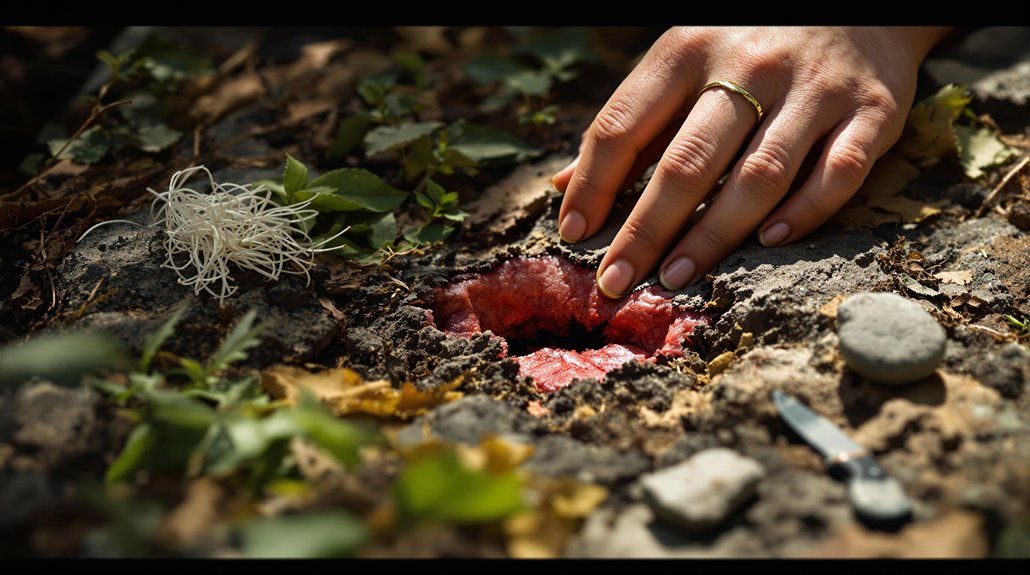
Choosing the right wound closure option in the wild is vital for promoting healing and preventing infection. When you're faced with a wound, it's essential to evaluate the situation carefully. High-risk wounds or those with dirt and debris should be left open initially to allow for proper cleaning and monitoring. Remember, your primary focus should be on cleaning the wound rather than closing it right away.
Here are some effective wound closure options you might consider:
- Sutures: Use these for clean, straightforward wounds when you have the right materials.
- Adhesive strips: Butterfly bandages or Steri-strips can be helpful for holding the edges of smaller cuts together.
- Non-adherent dressings: These allow for regular inspection while keeping the wound protected.
- Conforming gauze and medical tape: Secure these dressings in place to ensure they don't move around.
If the wound is less than an inch, you often don't need to close it, as infection rates are similar whether it remains open or closed. For deeper or complex wounds, consider evacuation to a medical facility as soon as possible. Always avoid suturing wounds that have significant debris or devitalized tissue, as this can lead to infection. By understanding these closure techniques and suture options, you can make informed decisions that promote healing while minimizing risks in the wilderness.
Post-Care Essentials
Once you've addressed the immediate wound closure, focusing on post-care is vital for ensuring proper healing and minimizing infection risks. Your actions in this phase can significantly affect how well the wound heals, so pay attention to infection prevention and effective healing techniques.
Start by monitoring the wound for any signs of infection, such as redness or pus. Change the dressing daily, using sterile gauze or semi-permeable membranes like Tegaderm. Apply antibiotic ointments to maintain a healthy moisture balance and prevent infection. Always wash your hands before touching the wound to reduce contamination risks.
To help your wound heal, keep it clean. Rinse it gently with potable water to remove any debris. A moist environment can promote healing, so consider using moist gauze for packing high-risk wounds. Remember to avoid using harsh solutions like hydrogen peroxide inside the wound, as they can irritate the tissue.
Here's a quick reference table for your post-care essentials:
| Supplies Needed | Purpose | Tips |
|---|---|---|
| Gauze and Pads | Dressing and packing wounds | Change daily to monitor progress |
| Antibiotic Cream/Ointment | Infection prevention | Apply before dressing |
| Irrigation Syringe | Rinsing wounds | Use clean water for irrigation |
Regularly inspect the wound for any changes and elevate it to help reduce swelling. By following these post-care essentials, you'll improve your chances of a quick and healthy recovery.
Special Considerations in Wilderness

Navigating wound care in the wilderness requires a keen awareness of your environment and the unique challenges it presents. You must ensure that you're using clean water for irrigation and avoiding toxic substances that can hinder wound healing. Here are some important considerations to keep in mind:
- Use clean, potable water: This is crucial for washing out the wound and preventing infection.
- Avoid harmful solutions: Do not use products like Betadine, as they can damage tissue and slow healing.
- Pressure irrigation: Create a narrow stream of water with a syringe to effectively flush out debris.
- Remove foreign matter gently: Use tweezers or water for this task, taking care not to cause further injury.
Infection prevention is vital in the wild. Always apply antibiotic ointment to help keep the wound moist and reduce the risk of infection. Use sterile equipment, and be aware of high-risk wounds like bites or punctures. Regularly inspect the wound for any signs of infection, such as swelling, redness, or unusual odor.
When it comes to wound closure, close low-risk wounds with butterfly bandages but leave high-risk ones open. For open wounds, pack them with moist gauze to aid in healing. Change dressings daily to keep the area clean. By following these steps, you can promote wound healing and minimize the chance of infection, ensuring your safety during your outdoor adventures.
When to Seek Medical Help
Knowing when to seek medical help for a wound is crucial to ensure proper healing and prevent complications. If you're dealing with severe bleeding, such as blood that's flowing continuously or spurting, don't wait—get help immediately. Large or deep wounds, especially those that you can't manage at home, require urgent attention. Embedded objects in a wound that you can't easily remove also signal the need for professional care.
Watch for signs of infection as well. If a wound starts showing redness, swelling, oozing pus, or if you develop a fever, it's time to seek medical help. Animal or human bites require professional evaluation, as they can lead to serious infections.
Some situations may need urgent medical evaluation. If you can't stop the bleeding with direct pressure or if you have a puncture wound from a dirty object, don't hesitate to seek help. Additionally, wounds near joints or major blood vessels need special attention.
If you're feeling unsure about the severity of your wound or how to manage it, it's always better to err on the side of caution. Wounds that are too painful to clean, signs of sepsis like confusion or shortness of breath, or the need for a tetanus shot due to contamination also indicate a need for medical assistance.
Frequently Asked Questions
What Should I Do if I Cannot Find Clean Water?
If you can't find clean water, avoid using dirty water without treatment. Look for alternative sources like rainwater or dew, or purify questionable water using filters, tablets, or UV light to ensure safety.
How Can I Improvise Wound Closure in the Wild?
You can improvise wound closure using bandage materials like Steri-Strips or duct tape. For effective wound dressings, consider butterfly bandages to hold edges together, ensuring you monitor for infection and change dressings regularly.
What Natural Remedies Can Help With Wound Healing?
For effective wound healing, you can try herbal poultices like turmeric or calendula. A honey application not only soothes but also promotes healing thanks to its antibacterial and anti-inflammatory properties. You'll see faster recovery!
How Do I Manage Pain While Treating a Wound Outdoors?
To manage pain while treating a wound outdoors, focus on pain relief methods like immobilization, elevation, and splinting. Combine these techniques with breathing exercises for effective outdoor first aid and comfort during treatment.
What Are the Signs of a Serious Wound Infection?
You should watch for infection symptoms like redness, swelling, and pus. If you notice fever signs, increased pain, or red streaks spreading, it's crucial to seek medical attention immediately to prevent serious complications.
Conclusion
Taking care of a wound in the wild can be challenging, but with the right steps, you can manage it effectively. Always remember to clean the wound properly, use protective gear, and gather necessary supplies. If the wound looks serious or doesn't heal, don't hesitate to seek medical help. Staying calm and prepared will help you handle the situation better. With these guidelines, you're ready to face minor injuries with confidence while enjoying your outdoor adventures.
