
To build a DIY water filter without charcoal, start by cutting the bottom of a plastic bottle and cleaning it. Layer the filter with gravel at the bottom, then add coarse sand, fine sand, and finally a straining fabric like cheesecloth. This setup captures large debris and filters smaller particles efficiently. Pour unfiltered water through the top and collect the clean water at the bottom. Regularly inspect and clean your filter to prevent clogs and maintain effectiveness. If you're looking for more tips on enhancing your filtration or maintenance methods, there's a lot more to explore.
Understanding Water Filtration
When it comes to understanding water filtration, it's essential to grasp the fundamental processes that ensure clean and safe drinking water. Water treatment involves several key steps, each playing a vital role in removing impurities. The first step is screening, where water passes through a screen to trap large materials like leaves and debris. This prevents clogging and keeps the purification processes running smoothly. Additionally, this initial barrier helps to reduce the risk of damage to subsequent filtration stages.
Next, coagulation and flocculation take place. Here, chemicals like alum are added to the water. These chemicals help form sticky particles called floc, which attract and trap dirt and smaller particles. This makes it easier to remove impurities from the water.
After that, we move on to filtration techniques. Water is pumped through various types of filters, such as sand or cloth, which catch remaining particles that weren't removed earlier. This step ensures the water is clearer and cleaner. However, it's important to remember that many DIY filters do not purify water of bacteria.
Finally, disinfection occurs. This stage uses chemicals, like chlorine, or advanced methods, such as UV light, to kill bacteria and microorganisms. This is crucial for providing safe drinking water.
Whether you're looking at industrial systems or DIY methods, understanding these steps helps you appreciate how filtration works. By knowing these processes, you can better understand how to create effective water treatment solutions, even if you're doing it at home without charcoal.
Necessary Materials
To create an effective DIY water filter, you'll need specific materials that work together to ensure clean water. Start with a standard plastic bottle or any food-safe container as the base of your filter. This will serve as the main structure to hold everything in place.
For the initial straining layer, select a clean straining fabric such as cotton, cheesecloth, or coffee filters. This layer captures larger particles right away, enhancing your filter's overall filtering effectiveness. Next, you'll need both fine and coarse sand. The fine sand will help to remove smaller particles and impurities, while coarse sand is essential for filtering out larger sediments.
You should also gather gravel or small pebbles. This material acts as a barrier to prevent larger debris from entering the finer layers of your filter. Additionally, have a separate container ready to collect the filtered water.
When you think about material selection, consider alternatives like cotton balls or a bandana for the top layer. Sea sand can provide better filtration than regular sand, while medium-sized stones can enhance the filtering process in the middle layers. It's important to remember that a layered approach is crucial for maximizing filtering effectiveness, ensuring that the water you collect is as clean as possible. Regularly check and replace your first layer to maintain optimal filtration results. Additionally, using activated charcoal in your filter can significantly improve the removal of impurities and contaminants.
Step-by-Step Construction
As you begin constructing your DIY water filter, cutting off the bottom third of a plastic bottle is your first step. This creates a container for your filter. Next, invert the top part of the bottle and place it inside the bottom section for stability. Make sure to clean the plastic bottle thoroughly before use, and remove the cap. Smooth edges are crucial to prevent damaging your filtration materials.
Now, focus on material selection. Start with a layer of small rocks or gravel at the bottom. This layer helps with drainage and acts as the first barrier to larger particles. On top of the gravel, add a layer of coarse sand. This will further aid in filtering out larger impurities. Following the coarse sand, include a layer of fine sand for additional filtration. If you have a coffee filter or porous cloth, you can place it on top to catch smaller debris.
It is important to note that using multiple filtration stages by stacking the layers correctly ensures optimal filter efficiency, ensuring that the coarser materials are at the bottom. Homemade water filters are often a cost-effective solution for ensuring clean drinking water. As you assemble your filter, regularly check for clogs to ensure proper water flow. Once constructed, slowly add polluted water to the filter and observe the process. Testing the filtered water against unfiltered water will help you visually assess the effectiveness of your filter. Don't forget to maintain your filter regularly to keep it performing well. Adjusting the layers and materials can also enhance filtration results over time.
Layering Techniques
Layering techniques are crucial for effective filtration in your DIY water filter. Each layer plays a specific role, contributing to the overall layer efficiency and filtration effectiveness of your setup. Start with a straining fabric, like a coffee filter or cheesecloth, at the bottom. This first layer filters out large debris, preventing big particles from clogging the filter and keeping the system clean.
Next, add a 2-3 inch layer of gravel or small rocks. This layer stabilizes the sand above it and prevents displacement during water pouring. It also helps to keep larger particles from moving into the finer layers, maintaining the filter's structure.
Then, you'll want to include a layer of coarse sand, about 2-3 inches thick. This mid-stage filtration layer removes larger particulates from the water, improving the overall quality. It acts as another line of defense against bulk contaminants, making your water even cleaner. Studies indicate that multi-layer filters can sequentially separate cells or particles, enhancing filtration efficiency. Additionally, using natural materials in your filter enhances its eco-friendliness and sustainability.
Finally, finish with a 2-3 inch layer of the finest sand available. This last layer is critical for filtering out microscopic impurities, ensuring that the water you collect is as clean as possible. By carefully layering these materials, you significantly enhance the filtration effectiveness of your DIY water filter. Each layer serves a purpose, so don't skip or rush through any part of the process. Pay attention to the order and thickness of your layers, as they directly affect how well your filter performs.
Filtration Process Explained

Understanding the filtration process is key to maximizing the effectiveness of your DIY water filter. By knowing how each layer functions, you can ensure better water quality. Your filter will consist of several layers, each playing a specific role in cleaning the water. Here's how it works:
- Gravel Layer: This serves as a pre-filter, catching large debris like twigs and leaves. It must be coarse enough to let water pass while supporting the entire structure.
- Sand Layers: Fine and coarse sand layers work together to trap medium-sized particles, enhancing filtration.
- Slow Water Flow: Pour the water slowly to avoid disturbing the layers and ensure effective filtration. The filter should be stable to prevent spills.
- Layer Resistance: Filtering speed may be slow, as each layer presents some resistance. However, this means more thorough cleaning. Additionally, using food grade buckets ensures that the water remains free from harmful chemicals during storage.
- Cleaning After Use: Always clean your filter after each use to prevent contamination.
Different filter types may use various materials, but the layering concept remains constant. Each layer effectively removes different contaminants, but remember this method doesn't eliminate chemicals or microorganisms without charcoal. You can improve your filtering system by experimenting with alternative methods like solar disinfection(5) or ceramic filters. Each method has its advantages and limitations, so think about what best fits your needs. By understanding these processes, you'll be well on your way to creating a reliable DIY water filter.
Testing Water Purity
To ensure the water you filter meets safety standards, testing its purity is essential. You need to check for various water contaminants to make sure your DIY filter is effective. Start with physical tests. Look at the water's color; if it's murky, that could indicate impurities like algae or minerals. Measure turbidity to see if there are suspended solids present. Also, take note of any unusual odors, as they can hint at harmful substances.
Next, conduct chemical tests. Check the mineral content for substances like chlorine and lead, which can be dangerous. Use pH testing to determine if your water is too acidic or alkaline, and measure total hardness to find out how much calcium carbonate is present. High levels of dissolved solids can also be a concern.
Finally, don't overlook biological tests. You can identify harmful bacteria like E. coli using the filtration method or the pour plate method. Coliform testing is crucial to check for fecal contamination, highlighting the importance of clean water.
Incorporate these testing procedures into your routine after filtering water. Regular testing helps ensure that your DIY water filter is working properly and keeps your drinking water safe. Remember, maintaining the purity of your water is just as important as the filtering process itself, so don't skip these essential steps.
Maintaining Your Filter
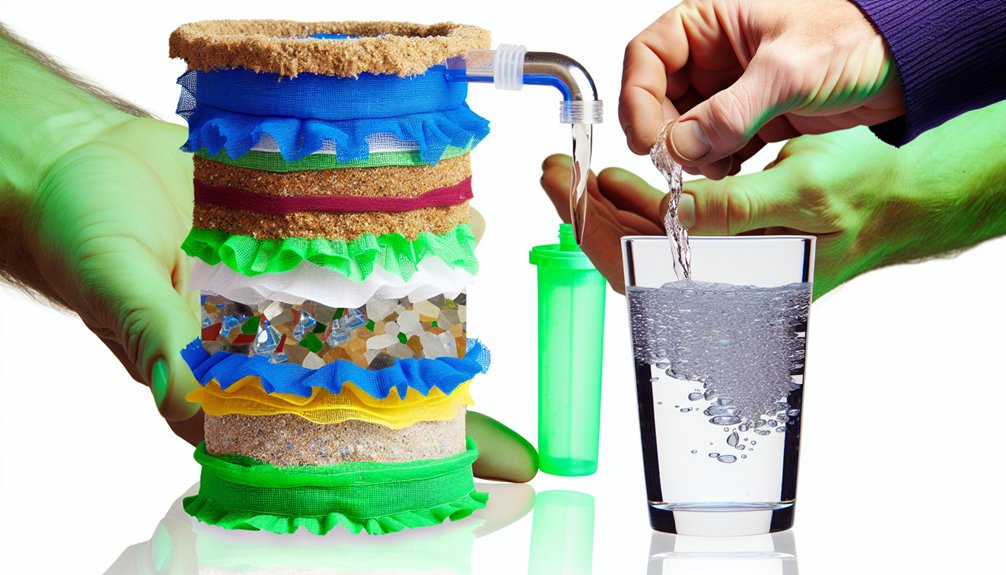
Maintaining your water filter is crucial for ensuring clean and safe drinking water. Regular upkeep not only promotes filter longevity but also helps you avoid potential health risks. Here are some essential maintenance tips to keep your filter in top shape:
- Schedule Regular Checks: Inspect your filter often for wear, leaks, or clogs.
- Clean Filter Components: Regular cleaning prevents bacterial growth and maintains effectiveness.
- Replace Filter Cartridges: Follow the manufacturer's recommendations for replacing cartridges.
- Backflush When Necessary: Backflushing helps dislodge debris and maintain optimal flow rates.
- Sanitize Filters: Sanitize your filters, especially before long-term storage, to prevent bacteria.
To dive deeper, make sure to clean pre-filters and storage tanks to avoid buildup. If you have an activated carbon filter, check for clogs regularly and replace cartridges as needed. Performing a system flush clears any buildup in membranes, ensuring your filter operates effectively.
It's also important to handle your filters carefully to avoid damage and store them away from freezing temperatures. Always follow the manufacturer guidelines for maintenance schedules. Taking these steps will enhance the longevity of your water filter and ensure you're drinking safe, clean water. Remember, consistent maintenance is key to a successful DIY water filter setup!
Alternative Purification Methods
When it comes to purifying water, several effective methods can meet your needs. One popular method is ultrafiltration. This process uses a membrane filter with larger pore sizes than reverse osmosis. Hydrostatic pressure pushes water through the semipermeable membrane, effectively removing impurities like silt, sediments, bacteria, viruses, and proteins. One of the ultrafiltration advantages is that it can be combined with other filtration systems for a more comprehensive approach, although it doesn't filter out chemicals.
Another method you might consider is ceramic water filtration. This technique uses natural ceramic media, where filter candles trap impurities through tiny pores. Ceramic filtration benefits include its ability to remove sediments and bacteria effectively. Plus, ceramic filters come in various sizes, making them suitable for point-of-use and portable devices. They're also economical and environmentally friendly, which is a bonus.
If you're looking for an eco-friendly option, ultraviolet water purification might suit you. It uses UV light to inactivate microorganisms, without producing waste water or harmful chemicals. Lastly, sand and layered filtration involves creating layers of materials like sand, cotton, and stones. As water passes through each layer, impurities get removed. Sand filters out flocs and trapped particles, while cotton and stones catch larger ones.
Limitations of DIY Filters

Understanding the limitations of DIY filters is crucial for anyone considering this approach to water purification. While these homemade solutions can be helpful in certain situations, they often fall short in several key areas that can affect both filtration effectiveness and user safety.
- DIY filters may not effectively remove microbes like viruses and bacteria.
- They struggle with filtering inorganic impurities and certain chemicals.
- The pore sizes of materials might be too large, allowing impurities to pass through.
- Regular maintenance is necessary, as clogging can reduce effectiveness over time.
- DIY filters lack professional testing standards that ensure reliability.
These limitations can pose health risks if the water isn't properly purified. The materials you use directly impact the filter's ability to clean water. If you choose low-quality items, your filter's effectiveness will suffer. Additionally, the arrangement of filter layers matters greatly; an improper setup may lead to inadequate contamination removal.
It's also vital to remember that DIY filters typically don't match the performance of commercial systems. They might be cheaper initially, but ongoing maintenance and the potential for user error can add costs in the long run. You may also face risks if the filter becomes contaminated due to improper upkeep.
Practical Applications
How can you effectively build a DIY water filter without charcoal? First, gather your materials: a plastic bottle, a knife, sand, and gravel. Start by cutting off the bottom of the plastic bottle. Layer your materials from the bottom up, beginning with coarse gravel. This gravel will trap larger particles like twigs and leaves, improving your filtering efficiency.
Next, add layers of sand—first coarse, then fine. The different sizes of sand help filter out smaller impurities. If you want to hold these layers in place, consider using a piece of cotton or a bandana as a filtering cloth. This setup will help you tackle various contamination sources in the water.
For added purification, you can use boiling water to kill microorganisms. Alternatively, try solar water disinfection (SODIS) by placing clear bottles in sunlight. Distillation is another method, removing contaminants through heating and cooling.
Before you use your filter for drinking water, test its effectiveness. Collect the filtered water at the bottom of the bottle and check for any remaining impurities. Remember, using clean and natural materials is crucial to avoid adding any new contamination sources. Regularly clean and replace your filtration materials to maintain the filter's performance. With these steps, you can create a reliable water filter that works even without charcoal, ensuring you have access to cleaner drinking water in various situations.
Environmental Considerations
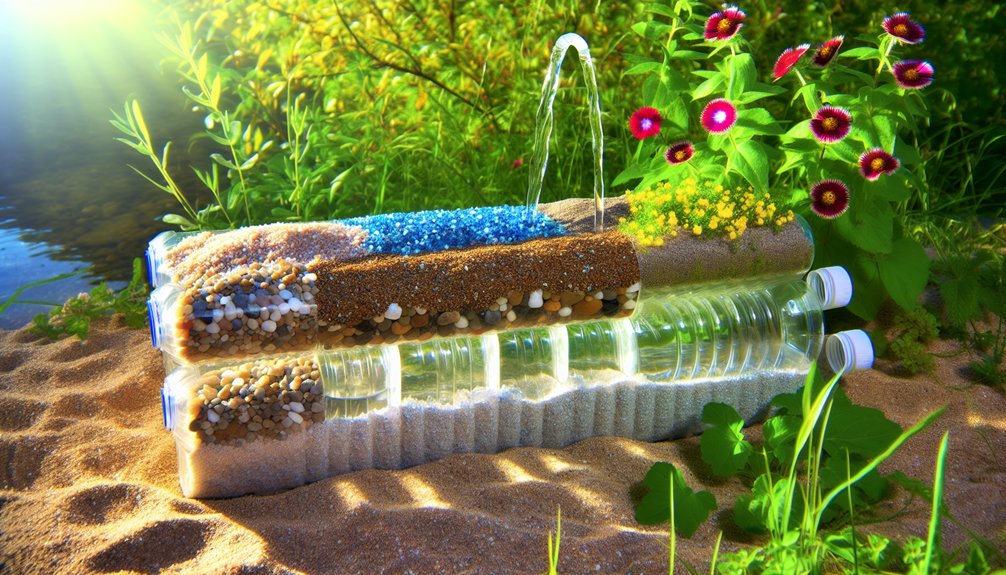
Environmental considerations play a crucial role in the effectiveness and sustainability of DIY water filters. When creating your own filter, it's important to think about the materials you use and the waste you generate. Opting for sustainable materials can help reduce your environmental impact significantly. Here are some key points to keep in mind:
- Choose natural or recyclable materials for your filter, like sand, gravel, or cloth.
- Minimize the use of single-use plastics to reduce landfill waste.
- Understand that some materials, like certain plastics, may not decompose easily.
- Practice proper disposal of used filters to prevent chemical leaks into the environment.
- Educate yourself on recycling options to ensure your materials are handled correctly.
By focusing on waste reduction and using eco-friendly materials, you contribute to a healthier planet. Many filters on the market create waste and can be energy-intensive to produce. Instead, by making your own filter, you can avoid these pitfalls. Remember, using materials that are easy to recycle or decompose will lessen your overall waste footprint.
Also, be mindful of how you dispose of your filters. Improper disposal can lead to environmental pollution, which harms both wildlife and natural ecosystems. By taking these environmental considerations into account, you can create a more sustainable DIY water filter while protecting the planet for future generations.
Frequently Asked Questions
Can I Use Other Materials Instead of Sand and Stones?
Absolutely, you can use alternative filtration options! Natural materials like small rocks, pebbles, and aquatic plants effectively filter water. Create layers using these materials to enhance your filtration system and improve water quality.
How Long Does the Filtration Process Take?
The filtration process can take anywhere from 10 to 60 minutes, depending on your setup. Thicker layers slow filtration speed, while proper maintenance enhances filtration efficiency, ensuring your filter works effectively over time.
What Type of Water Is Best for Filtering?
For effective filtration techniques, you'll want to use water from clean sources like rivers or ponds. These often contain particulate matter that's easier to filter, ensuring you get cleaner, safer drinking water.
Is It Safe to Drink Filtered Water Immediately?
Drinking filtered water immediately isn't always safe. Depending on your filtration effectiveness, contaminants might remain. It's best to boil or use UV treatment afterward to ensure filtered water safety before consumption. Stay cautious!
How Often Should I Replace the Filter Materials?
You should regularly replace filter materials to ensure effective filtration. Monitor material lifespan closely; frequent replacements prevent contamination and maintain optimal filter maintenance. Inspect layers after use, especially cotton and gauze, for signs of degradation.
Conclusion
In conclusion, building a DIY water filter without charcoal is possible and can be effective using common materials. By layering different substances, you can improve the filtration process and make water safer to drink. Remember, though, that DIY filters have limitations and may not remove all contaminants. Always consider using additional purification methods if necessary. With the right approach, you can create a simple and functional water filter for practical use. Stay safe and informed about your water sources!