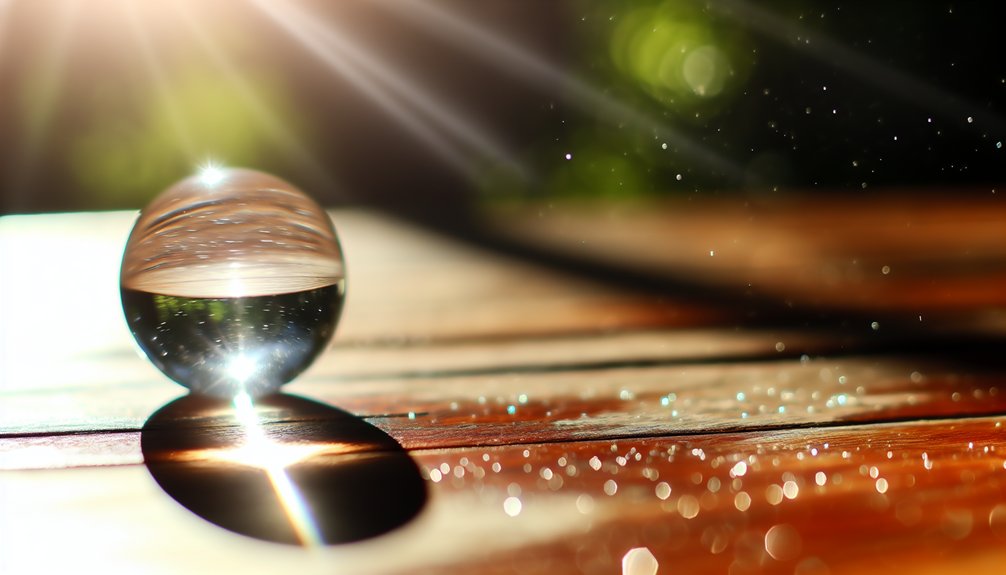
Not every type of glass can start a fire. Specialized glass, like high-quality magnifying glasses, can concentrate sunlight, which might ignite dry materials under the right conditions. However, regular window glass and thin glass break easily under heat and won't work effectively for this purpose. Glass alone can't start fires without extra help from sunlight or other materials. It's important to use suitable tinder, as well as arrange it properly to catch sparks and grow a fire. If you're curious about fire starting techniques, you'll find more helpful tips just ahead.
Material Requirements for Fire Starting
Starting a fire requires specific materials to ensure success, and understanding these requirements is key. The first thing you need is tinder. For effective tinder selection, choose dry materials like pine needles, dry grass, or birch bark strips. Remember, your tinder should be small and fluffy to catch a spark easily. High-quality tinder, like shredded inner bark or fluffy punk wood, will ignite more efficiently. Additionally, using a magnifying glass can significantly aid in igniting your tinder when sunlight is available.
Next, you'll need kindling. This is the material you add after your tinder catches fire. Kindling should be smaller than a pencil, so gather thin twigs, dry branches, and small sticks. It's important to avoid using green or wet wood, as it won't burn well. Proper kindling arrangement is crucial; gradually add kindling to the burning tinder to help the fire grow stronger. Fresh timber and green wood are unsuitable for burning.
Make sure you gather enough kindling to maintain the fire until larger logs can be added. Once your kindling is burning, you can introduce bigger pieces of dry wood to keep the fire going.
Practical Considerations for Success
Success in fire starting hinges on a few practical considerations that can make or break your attempts. First, you need to pay attention to the weather. A sunny day with minimal cloud cover is essential for effective solar ignition. If it's cloudy or raining, your chances of concentrating sunlight will drop significantly. Avoid attempting to start a fire on hot, dry, windy days, as this can lead to dangerous fire spread.
Next, focus on your tinder and material preparation. Using dry, fluffy tinder like punkwood or charcloth will give you the best results. Arrange your tinder in a way that allows for good airflow, as this will increase your chances of ignition. The shape and density of your tinder bundle also matter, so take the time to prepare it properly. Additionally, understanding how to harness solar power for fire is essential knowledge for outdoor enthusiasts, as it can enhance your fire-starting skills. Remember that using certified eclipse glasses can help prevent eye damage during the fire-starting process.
When it comes to technique, using high-quality magnifying glasses with 10x or greater magnification will help you focus sunlight effectively. Keep your glass steady at the optimal focal length for the best results. Remember to practice this technique; it's key to developing your skills.
Lastly, don't forget about safety. Choose an open area away from flammable items, and always have a bucket of water or fire extinguisher nearby. By considering these practical factors, you'll significantly improve your chances of successfully starting a fire using glass properties and sunlight focus.
Types of Glass Ineffective for Fire
When it comes to fire safety, understanding which types of glass are ineffective is crucial. Certain glass properties can make them more susceptible to breakage and fire spread, which can pose serious risks. Here are some types of glass you should be aware of:
- Regular Window Glass: This type isn't designed to handle high temperatures, meaning it can fail easily when exposed to radiant heat or direct flames.
- Annealed Glass: Commonly used but prone to breakage due to temperature differences. When it breaks, it can contribute to fire spread.
- Non-Tempered Glass: Lacking the strength of tempered glass, it's more likely to break under fire conditions, allowing flames to spread more easily.
- Thin Glass: Thinner varieties generally don't resist fire well compared to their thicker counterparts, making them a bad choice for fire safety. Additionally, using glass with fire-retardant additives can significantly reduce the risk of fire spread. It's essential to remember that even small glass fragments can pose a fire risk by focusing sunlight on combustible materials.
Recognizing these types of glass is important for preventing fire hazards. Using glass that can withstand high temperatures and has fire-retardant coatings can help reduce the risk of fire spread. Always consider the properties of any glass in your home or workspace. Opt for materials designed with fire safety in mind to protect yourself and your surroundings. By being informed, you can make better choices that enhance your fire safety.
Common Misconceptions About Glass
Many people hold misconceptions about the role of glass in fires, leading to confusion and potentially dangerous assumptions. One common misunderstanding is that glass can start fires on its own. In reality, glass requires external factors, like concentrated sunlight, to ignite materials. Additionally, the appearance of crazing on glass is often misinterpreted as a sign of rapid heating from accelerants, when, in fact, it results from rapid cooling. Historically, burning glasses have demonstrated the ability to focus sunlight effectively to start fires.
To clarify these misconceptions, here's a simple table to help you understand different glass properties and their relation to fire:
| Glass Type | Glass Property | Fire Behavior |
|---|---|---|
| Ordinary Glass | Can focus sunlight | Can ignite materials under specific conditions |
| Tempered Glass | Strengthened but can shatter | Does not indicate fire accelerants |
| Stained Glass | Decorative but thin | Less likely to cause ignition |
Moreover, some people mistakenly believe that melted or deformed glass always indicates the use of accelerants. This isn't true; high temperatures can alter glass without the presence of any flammable substances. Misinterpretations of glass behavior during fire investigations can lead to wrongful convictions, emphasizing the need for accurate knowledge. Understanding how different glass types and their properties interact with fire is crucial. By educating yourself, you can help dispel these myths and prevent potential misunderstandings in fire safety and investigations.
Safety Tips for Fire Starting
Starting a fire safely requires careful planning and the right materials. Knowing how to manage fire safety is essential, especially when using glass properties to start a fire. Here are some practical tips to help you start a fire safely:
- Choose the Right Materials: Use local firewood and select seasoned hardwood for better combustion. Avoid flammable liquids, as they can be dangerous and unpredictable. Additionally, always use local firewood to minimize the risk of introducing pests and diseases. Understanding various primitive fire-starting methods can also enhance your skills and preparedness.
- Know the Regulations: Always check the fire regulations in your area. This includes any temporary bans on outdoor fires, which are crucial for safety.
- Use a Fire Pit: If available, use a fire pit to contain your fire. Start small and gradually add larger logs, paying attention to wind directions to prevent embers from spreading.
- Prepare for Emergencies: Keep a bucket of water and a shovel nearby in case you need to control runaway flames. Always have a water source ready to extinguish the fire when you're done.
Remember to clear the area of combustible materials and stack firewood at least 30 feet away from buildings. Also, keep your roof clear of debris to prevent any accidental fires. By following these safety tips, you'll enjoy your fire starting experience while protecting yourself and the environment.
Educational Benefits of Fire Skills
Understanding fire safety not only protects you but also opens the door to valuable educational experiences. Developing fire skills isn't just about knowing how to start a fire; it's a pathway to enhancing your cognitive development. When you practice fire-starting techniques, you're improving your fine motor skills and hand-eye coordination. Striking a match or arranging tinder requires patience and persistence, as you often need multiple attempts to succeed.
Moreover, these activities encourage critical thinking. You'll find yourself experimenting with different materials and techniques, stimulating your curiosity and deepening your understanding of scientific principles like combustion and heat transfer. Each attempt teaches you to analyze what worked and what didn't, fostering resilience as you face challenges.
Fire skills also promote risk management. By learning to handle fire responsibly, you develop self-reliance and confidence. You become more aware of your actions and their consequences, which is crucial for personal growth. This hands-on experience translates into enhanced problem-solving skills that can be applied in various academic subjects.
Additionally, engaging with fire teaches you about the environment, as you explore the role of fire in ecosystems. By integrating physical skills with scientific concepts, you're not only learning to start a fire but also gaining valuable life skills. So, as you practice fire skills, remember, you're building a foundation for cognitive development and personal growth that can benefit you in many ways.
Frequently Asked Questions
Can Colored Glass Be Used for Starting Fires?
Yes, you can use colored glass to start fires, but its effectiveness depends on clarity and quality. While it won't impact fire intensity significantly, a clear lens will yield better results in sunny conditions.
How Does Humidity Affect Fire Starting With Glass?
Humidity levels significantly impact fire ignition. When humidity's high, it dampens materials and limits oxygen, making it tougher to start fires. In contrast, low humidity increases flammability, heightening the risk of ignition, especially with glass.
Is There a Specific Angle for Optimal Sunlight Focus?
To achieve optimal sunlight focus, hold the magnifying glass at a 90-degree angle. This angle maximizes sunlight intensity, ensuring the rays concentrate effectively on your tinder for successful ignition. Adjust as needed for best results.
Can Fire Starting Glass Be Homemade?
Yes, you can create fire-starting glass using homemade materials, but it requires precision and effort. Ensure you follow safety precautions, as improper crafting could lead to ineffective results or potential hazards while experimenting.
What Are the Best Types of Glass for Beginners?
As a beginner, you'll want versatile glass types like Old Fashioned, Coupe, and Collins glasses. Remember, prioritizing glass fire safety is crucial, so choose sturdy options that withstand heat and won't easily break under pressure.
Conclusion
In conclusion, while some types of glass can start a fire, it's essential to understand the right conditions and techniques. Focus on using clear glass, like lenses, and ensure you have a suitable target, such as dry kindling. Remember, not all glass works well for this purpose, and safety should always come first. By practicing these skills responsibly, you can gain valuable knowledge that may help you in outdoor situations or emergency scenarios later on.