Tag: health risks

  • Are Hot Springs Safe for Drinking?

    Are Hot Springs Safe for Drinking?

    Hot springs aren't generally safe for drinking water. They often contain harmful microorganisms and contaminants, which can lead to serious health issues. The water's mineral composition can vary widely, with some springs being acidic and others alkaline. While certain minerals might offer health benefits, the risks, such as infections and gastrointestinal problems, are significant. High temperatures can worsen these risks, allowing harmful bacteria to thrive. For safer options, consider using filtered or boiled water. Always check local guidelines and remember, there's more important information to help you make safe choices regarding spring water.

    Overview of Hot Springs Water Quality

    Understanding the water quality in Hot Springs is crucial for both residents and visitors. The spring water benefits you experience while bathing or drinking stem from the unique mineral content found in the hot springs. Hot Springs Utilities ensures that the tap water meets federal health-based drinking water standards, but it's important to know that the primary source is surface water. This water undergoes regular testing to monitor contaminants, including trichloroacetic acid, which has been detected at levels exceeding health guidelines. This can pose health risks, such as an increased chance of cancer.

    In Hot Springs National Park, the park management actively collects and distributes water from 27 active springs. This water is untreated, featuring a neutral pH, and is continuously monitored for safety. You can access this spring water for free at various jug fountains throughout the park, promoting community well-being. However, regulations prohibit individuals from selling this water, ensuring it remains accessible for public use. Additionally, the park has been protecting these springs since 1832, ensuring their safety and sustainability for future generations.

    While drinking the hot springs water is generally considered safe, you should still be aware of potential contaminants, including lead and heavy metals. Fortunately, the park maintains a comprehensive network of pipes to distribute water to bathhouses and spas, ensuring quality assurance. Regular testing helps identify any potential contaminants, making it a great place to enjoy the health benefits of natural spring water. Unlike some other hot springs, no special precautions are needed here, making it a great place to enjoy the health benefits of natural spring water.

    Composition of Hot Springs Water

    When you immerse yourself in hot springs, you're engaging with water rich in various dissolved minerals. These minerals, including calcium, magnesium, silica, and bicarbonate, contribute to the unique composition of the water. Each type of hot spring has its own chemical makeup, which can range from acidic to alkaline. For example, alkaline chloride hot springs usually have neutral pH levels and high silica content, while acid sulfate springs are more acidic and contain hydrogen sulfide.

    You might notice that the mineral concentrations in hot springs can vary significantly. In some springs, the total mineral matter can range from 270 to 290 parts per million (ppm). Bicarbonate springs are known for their high levels of bicarbonate, often exceeding 600 ppm. The presence of minerals like sodium, potassium, and calcium can also provide potential mineral benefits, as these elements are believed to promote various health effects. Additionally, the geothermal activity that heats these springs can influence the mineral composition and health benefits of the water. Notably, the springs contain significant amounts of calcium and magnesium, which enhance the solubility of uric acid and aid in its elimination from the body.

    The thermal properties of hot springs also play a role in their composition. For instance, the silica concentration can indicate the maximum temperature the water has reached. Additionally, some hot springs have iron-rich waters that foster microbial communities. Understanding the composition of hot springs water helps you appreciate the unique characteristics of each spring. Remember, while these minerals can offer benefits, it's essential to consider their safety for drinking.

    Health Considerations for Consumption

    Consuming hot springs water can offer potential health benefits, but safety must come first. While the minerals in hot springs, like silica and calcium, may promote wellness, it's crucial to follow drinking guidelines to ensure you're making safe choices. Drinking from clean and untreated sources is generally safe, but you should be aware of the risks involved.

    Here are some important considerations:

    • Harmful microorganisms can lurk in hot spring water, leading to serious illnesses.
    • High acidity levels can cause painful burns to your skin and eyes.
    • Pregnant individuals and those with heart conditions should steer clear of hot springs altogether.
    • It's vital to consult a doctor if you have any health concerns before considering hot spring water. Additionally, many springs, like Eureka Springs, are now polluted and undrinkable, which highlights the need for caution.

    To maximize health benefits while minimizing risks, always choose designated locations with clean water. Many developed hot springs have filling stations that provide safe drinking water, and untreated spring water offers additional health advantages due to its mineral content. If you plan to fill your bottles, check that it's from a source recognized by the National Park Service.

    Avoid swallowing hot spring water while soaking, and never submerge your head. Short soaks are best, and you should exit immediately if you feel unwell or experience any discomfort. By taking these precautions and adhering to the drinking guidelines, you can enjoy the potential health benefits of hot springs while keeping your safety a top priority.

    Comparing Hot Springs and Municipal Water

    Hot springs and municipal water each offer unique benefits and challenges that can impact your health and safety. Municipal water comes from various sources like rivers, lakes, and wells. It undergoes treatment to remove harmful substances, ensuring it meets federal safety standards. This means you can usually trust the quality of municipal water, as it's regularly tested and reported.

    On the other hand, hot springs are naturally heated water that flows from deep underground. The quality of this water can vary greatly because it's influenced by the minerals and microorganisms present in the earth. Unlike municipal water, hot springs don't have the same strict regulations, which means their safety can't be guaranteed. For example, you might face risks like severe burns or infections if the water is contaminated. Additionally, municipal water in Hot Springs has been found to exceed health guidelines for contaminants, raising further concerns about its safety. High temperatures in hot springs can cause serious injuries, further emphasizing the need for caution when considering drinking from them.

    While some people enjoy hot springs for their therapeutic benefits, it's crucial to be cautious. If you decide to drink hot spring water, you should be aware of the potential health risks involved. Municipal water is generally a safer choice because it goes through rigorous treatment processes, making it suitable for consumption.

    Common Contaminants in Hot Springs
    hot springs common contaminants

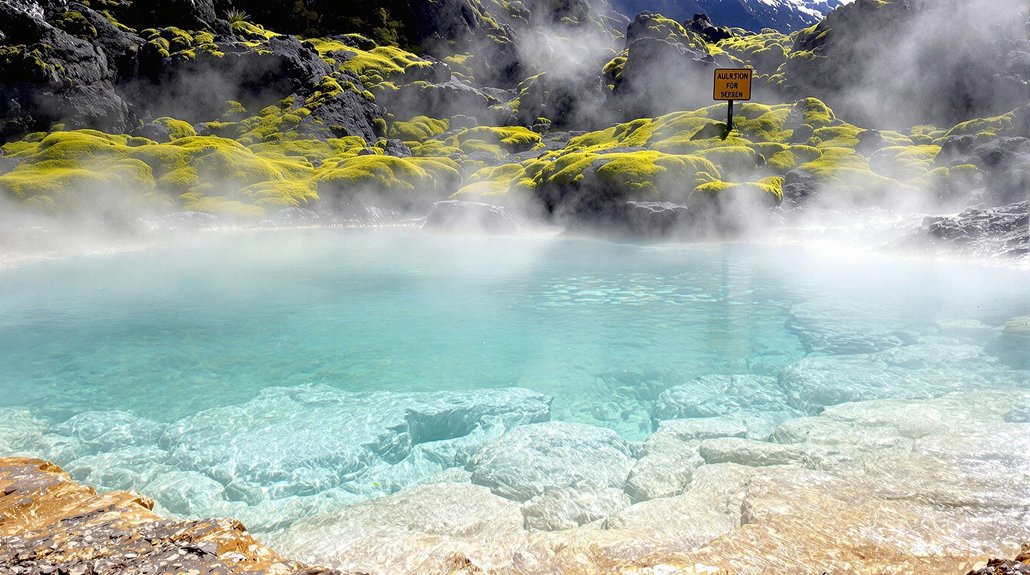
    While enjoying the therapeutic benefits of hot springs, it's important to be aware of the potential contaminants that can pose health risks. These natural wonders may seem inviting, but they can harbor various microbial hazards and chemical pollutants. Understanding these dangers can help you stay safe while soaking.

    Here are some common contaminants you might encounter:

    • E. coli and other bacteria: These can cause gastrointestinal illness and skin rashes.
    • Naegleria fowleri: This amoeba, which can lead to a severe brain infection, enters through the nose.
    • Legionella pneumophila: Found in warm water, this bacterium can cause Legionnaires' disease.
    • Chemical pollutants: Untreated hot springs may contain harmful chemicals, affecting water quality.

    Microbial hazards in hot springs often come from untreated water. You might find thermotolerant enteric bacteria, which survive hotter temperatures, making them a significant concern. Additionally, chemical pollutants can also be present, such as ammonia and other waste products. These pollutants can vary widely, depending on factors like location and water treatment practices. High temperatures in hot springs can exacerbate the survival of these harmful microorganisms.

    To protect yourself, avoid submerging your head and swallowing any water. If you have open wounds, it's best to steer clear of hot springs entirely. Regular monitoring of water quality is essential, and consulting a healthcare provider before your visit can provide peace of mind. By being informed, you can fully enjoy the benefits of hot springs while minimizing health risks.

    Safety Measures for Drinking Water

    Ensuring safe drinking water is crucial for your health and well-being. When it comes to hot springs, you need to be aware of water safety measures to protect yourself from potential contaminants. Start by implementing a Water Safety Plan (WSP) that involves assessing risks from the source to your glass. This plan should focus on high-priority risks and adapt to the specific water supply you're using.

    Filtration methods play a key role in maintaining water quality. For instance, sand filtration systems can effectively remove organic material from water, just like those used in places like Iron Mountain Hot Springs. Combining filtration with regular water changes helps keep the water pure without needing harmful chemicals. If you're using a filtration system, consider one that has multiple stages to enhance safety further.

    It's also important to avoid lowering your head into hot spring water, as this can expose you to health risks. Always measure the water temperature before using it, especially in undeveloped springs, since high temperatures can lead to serious health issues like hyperthermia.

    In emergencies, boiling water is a simple and effective way to purify it. Portable water filters can also remove contaminants, while disinfection methods like UV light or chemicals can ensure the water is safe for drinking. Remember, staying informed and taking these simple precautions will help you enjoy hot springs while keeping your health safe.

    Making Informed Decisions

    empowering knowledge based choices

    Making informed decisions about hot springs water is essential for your safety and enjoyment. When considering drinking water from these natural sources, you should pay attention to several key factors. The hot springs water comes from deep underground, ensuring a unique mineral composition that offers potential health benefits. Regular testing guarantees that the water remains safe to drink, which is crucial for your peace of mind.

    Here are some points to keep in mind:

    • Source matters: Knowing where the water comes from can help you understand its safety.
    • Regular checks: Trust that the water is tested frequently for contaminants.
    • Natural minerals: Embrace the health benefits that come from the minerals found in hot springs water.
    • Community access: Enjoy the fact that clean drinking water is available for everyone at no cost.

    While the hot springs water is generally safe, be aware of potential contaminants in municipal supplies. Unlike tap water, which may contain harmful chemicals, the springs offer a more natural option. Though the water can contain trace amounts of radon and other elements, park officials certify its safety.

    Ultimately, your choices about drinking hot springs water should come from understanding these factors. By making informed decisions, you can enjoy the unique experience of drinking from these natural water sources while reaping the health benefits they may provide. Stay safe and hydrated!

    Conclusion

    In summary, drinking water from hot springs isn't always safe. While some springs may have clean water, others can contain harmful contaminants. It's essential to check the water quality and avoid drinking it if you're unsure. Always compare hot springs water with municipal water, which is regularly tested for safety. If you want to enjoy hot springs, consider soaking instead of drinking. By staying informed and cautious, you can make better choices for your health.

  • Can You Drink Morning Dew?

    Can You Drink Morning Dew?

    You can drink morning dew, but keep safety in mind. Dew can hydrate you and may support skin health, but it can also contain harmful pollutants and microorganisms. To make it safer, collect dew from clean surfaces and use a disinfectant before drinking. Regularly testing dew for contaminants is wise. Collecting dew effectively involves creating large surfaces like plastic sheets laid flat to gather moisture. Remember, while it has potential benefits, understanding the risks is crucial for making informed choices. There's much more to explore about morning dew and its uses, so let's look closer at its many aspects.

    Health Benefits of Morning Dew

    When it comes to health benefits, morning dew offers a refreshing way to support your overall well-being. One of the key benefits of drinking morning dew is its detox benefits. This natural source of hydration helps detoxify your body, keeping your skin cells and organs healthy. By drinking morning dew, you might notice a feeling of lightness as your body cleanses itself. Additionally, morning dew serves as an excellent skin refreshment. When consumed, it helps maintain your beauty from the inside out. The pure and clear water of morning dew supports the maintenance of inner cells, which is crucial for overall health. This can lead to a more vibrant complexion and a youthful appearance. If you're looking for something to help with digestion, morning dew might also aid in colon cleansing. It promotes easier defecation, making you feel more comfortable and less bloated. To ensure you get the best benefits, collect morning dew between 4 to 6 o'clock in the morning when it's at its purest. The natural clarity of morning dew surpasses that of many other liquids, making it a unique and beneficial addition to your routine. Additionally, its symbolism of purity enhances the overall experience of consuming morning dew. Incorporating morning dew into your day can be a simple yet effective way to enhance your health, providing both detox benefits and skin refreshment. Just remember to collect it at the right time for the best results! Furthermore, its high water content can also aid in hydration throughout the day, supporting overall bodily functions.

    Safety Considerations for Consumption

    While morning dew can offer various health benefits, it's important to consider safety before consuming it. Dew collection comes with risks, including possible chemical and biological contaminants. To ensure you're making safe choices, follow these key safety guidelines:

    1. Clean Collection Methods: Always use clean cloth materials for dew collection. This minimizes the risk of introducing contaminants into the water. Handle your collection items carefully to avoid any dirt or bacteria.
    2. Disinfection and Treatment: Before drinking dew water, it's crucial to disinfect it. This process kills harmful bacteria and pathogens. Additionally, treat the water for turbidity, which can hide contaminants. Clear water is safer to drink. Collecting dew can provide fresh drinking water without heavy equipment, making it an efficient method for hydration. However, be aware that pollutants in air can affect the quality of the dew water you collect.
    3. Regular Testing: If you plan to consume dew regularly, test it for contaminants. Chemical analyses can reveal pollutants, while biological analyses can indicate harmful microorganisms. Regular testing helps ensure that the water remains safe for consumption.

    Methods for Collecting Dew

    Dew collection techniques can vary significantly, but they all focus on harnessing the natural condensation process to gather water. To effectively collect dew, you'll want to create condensation surfaces that maximize water vapor capture. Start with a large surface area, as this increases your chances of gathering moisture. Fine mesh materials held perpendicular to the wind can work well, allowing moist air to flow through while promoting condensation.

    Consider using black fabric or UV-stabilized polyethylene, as these materials lose heat quickly, encouraging dew formation. To enhance efficiency, the mesh should be designed to dump collected dew rapidly. Elevating your collector slightly above the ground improves air movement, which can boost dew yield. Additionally, in regions where dew and fog harvesting techniques are applied, the effectiveness of collection can be significantly increased. This integration of dew collection systems can complement existing rainwater harvesting efforts.

    If you prefer a simpler approach, lay large plastic sheets or tarps flat in open areas with good airflow. A slight slope toward the center helps direct the dew into a collection point. You can also use multiple sheets positioned in different locations to gather more water overnight.

    Advanced dew collection strategies include utilizing metal roofs, which can condense moisture, or even exploring nature's solutions, like spider silk and mosses. Always select the right location and materials for optimal results. By paying attention to nighttime humidity and surface temperatures, you can predict when dew is likely to form, increasing your chances of a successful collection.

    Uses Beyond Drinking Dew

    After collecting dew, you might be surprised to learn it has a variety of uses beyond just drinking. Morning dew can be an excellent addition to your skincare routine. It offers several skincare benefits, including reducing acne and oily skin, improving hydration, and even enhancing your overall skin health. Here are three key uses for morning dew:

    1. Hydration Booster: Applying morning dew on your skin helps lock in moisture. Its high oxygen content can even reduce pimples and freckles, giving you a clearer complexion. Additionally, the oxygen levels in morning dew can enhance skin health and promote effective learning about skincare ingredients.
    2. Anti-Aging Agent: Dew can help reduce inflammation and sebum production, making your skin appear fresher and less oily. When combined with ingredients like aloe vera exosomes and sodium hyaluronate, it provides intense hydration and anti-aging benefits.
    3. Aromatic Applications: You can also use morning dew in homemade beauty products. Its natural properties can enhance the scent and effectiveness of lotions or sprays, making your skincare routine feel luxurious.

    To use morning dew effectively, apply it with gentle, upward strokes to avoid disturbing delicate skin areas. Use just a pea-sized amount, massaging it in for better absorption. This way, you can incorporate its benefits into your daily skincare regimen, suitable for all skin types. Remember, it's always best to consult a qualified healthcare professional if you're considering new skincare methods, especially if you're thinking about micro-needling. Enjoy the refreshing boost that morning dew can bring!

    Scientific Insights on Dew

    nature s morning moisture phenomenon

    The fascinating process of dew formation reveals much about its composition and environmental significance. Dew forms at night when warm, moist air cools, leading to condensation on cooler surfaces like grass and leaves. This process is crucial for the ecosystem, as it provides moisture to plants and supports microbial life. Dew contributes to ecosystem health and resilience by acting as a supplemental water source during dry periods. Additionally, the chemical characteristics of dew reflect atmospheric air quality, serving as an air quality indicator.

    Here's a quick overview of dew formation and composition:

    Aspect Details Importance
    Formation Process Forms on clear, calm nights Vital for plant hydration
    Dew Point Temperature where condensation begins Key to understanding dew occurrence
    Chemical Composition Contains ions like Ca²⁺, Mg²⁺, Na⁺, Cl⁻ Influences soil health and plant growth
    Ion Concentration Higher than in rainwater Affects local ecology
    Environmental Impact Can purify surfaces, but may also be polluted Important for assessing ecosystem health

    The dew composition is predominantly neutral, largely due to the interaction with alkaline soil elements. The concentration of ions is typically higher in dew than in rainwater, indicating its distinct ecological role. Dew can also host microorganisms, contributing to the biodiversity of the area.

    Understanding dew formation and its composition helps you appreciate its role in the environment. It's not just water; it's a vital resource for many living organisms.

    Cultural Significance of Morning Dew

    While many people might overlook morning dew as just a natural occurrence, it holds deep cultural significance across various societies. Dew is often celebrated in traditions for its association with fertility and growth. Many cultures perform dew rituals at dawn to collect it, believing it possesses healing properties and represents purity. Here are a few key aspects of dew's cultural significance:

    1. Symbol of Blessings: In the Bible, dew symbolizes God's blessings and represents renewal and new life, reminding us of spiritual nourishment.
    2. Connection to Nature: Collecting dew is seen as a way to connect with nature's purity, reinforcing our bond with the environment around us.
    3. Artistic Inspiration: Dew is frequently featured in literature and art, symbolizing beauty and the transient nature of life, as seen in works like Andrew Marvell's poem "On a Drop of Dew."

    Dew symbolism extends beyond religion. It appears in folklore and cultural practices, reminding us of the fleeting aspects of existence. For instance, dew drops can symbolize the delicate balance of life, reflecting how moments are often brief yet beautiful. The way dew refreshes plants daily parallels how spiritual teachings can refresh our minds and hearts. By understanding these cultural meanings, you can appreciate morning dew not just as a natural phenomenon but as a rich symbol woven into the fabric of human experience.

    Commercial Products Inspired by Dew

    dew inspired commercial innovations

    Morning dew's cultural significance often inspires creativity and innovation in various industries, leading to intriguing commercial products. One of the most notable examples is Mountain Dew, which has expanded its product lines significantly over the years. You might be familiar with the original Mountain Dew, known for its refreshing citrus flavor. However, the brand also offers a variety of dew inspired beverages, such as MTN DEW Zero Sugar, DIET MOUNTAIN DEW, and seasonal versions like MOUNTAIN DEW Voltage.

    Mountain Dew's marketing strategies tap into the cultural appeal of these products. Engaging ads and celebrity endorsements help connect with younger consumers. For instance, the Super Bowl ad campaign showcased MTN DEW Zero Sugar, emphasizing its taste as "As Good As the Original." This clever approach attracts attention and encourages consumers to try these dew infused products.

    Furthermore, new competitors like Olipop are emerging with their unique flavors, such as "Ridge Rush," which aim to capture the same audience. These products position themselves as healthier alternatives, reflecting the growing trend toward better-for-you options.

    As you explore the market, keep an eye out for various dew inspired beverages and infused products. Whether you're drawn to the classic Mountain Dew or the innovative offerings from newer brands, there's likely something that fits your taste preferences. Understanding these commercial products can help you make informed choices that align with your health goals and cravings.

    Environmental Impact of Dew Collection

    Dew collection's environmental impact is increasingly recognized as a sustainable water source, especially in arid regions where traditional water supplies are scarce. Using dew as a water source has several advantages, making it a practical choice for those in need. Here are three key benefits of dew collection:

    1. Low Environmental Footprint: Dew collection systems are environmentally friendly because they don't require electricity or fuel to operate. This makes them a great option for sustainable water sourcing.
    2. Supplementing Water Needs: In areas facing drought or water shortages, dew can supplement water demand. It helps provide hydration for plants and supports the dew ecosystem role, allowing local flora to thrive even in challenging conditions.
    3. Improving Efficiency: Technological advancements continue to enhance dew collection efficiency. New materials and designs can optimize how dew is collected, ensuring more water is available when needed.

    However, dew collection systems do face challenges. You need to be aware of factors like contamination from pollutants, seasonal variability affecting yield, and the importance of regular maintenance. While dew may not produce large quantities of water, its role in supporting ecosystems and providing reliable hydration during dry periods cannot be overlooked. As research progresses, dew collection could become an even more vital resource for communities looking to enhance water security. By understanding these aspects, you can better appreciate how dew collection contributes to environmental sustainability.

    Conclusion

    In conclusion, drinking morning dew can be safe and refreshing if collected properly. Always make sure the dew is gathered from clean surfaces and in a pollution-free area. Remember that while it may offer some health benefits, it shouldn't replace your regular water intake. You can also explore different uses for dew, like watering plants. By understanding how to collect and use dew responsibly, you can enjoy this natural resource safely and effectively.

  • Is Waterfall Water Safe to Drink?

    Is Waterfall Water Safe to Drink?

    Drinking water from waterfalls isn't safe without treatment. Water can contain harmful contaminants like heavy metals and bacteria, which may cause serious illnesses. Even clear water can be polluted, with pathogens like Giardia and E. coli lurking beneath the surface. If you must drink waterfall water, always purify it first. Boiling it for at least five minutes effectively kills most microorganisms. You might also consider using high-quality water filters or chemical tablets to reduce risk. Remember to avoid collecting near campsites or animal grazing areas, as these increase contamination risk. There's much more you can learn about safe water practices.

    General Safety Considerations

    When visiting waterfalls, it's crucial to prioritize safety at all times. The beauty of these natural wonders can be enticing, but you need to be aware of the risks involved. First, avoid swimming or wading upstream near a waterfall. The strong currents can quickly pull you in, making swimming safety a top concern. Always heed posted warning signs and respect area closures to ensure your safety.

    Before you head out, check the water temperature. Cold water can be shocking, and it's essential to know how your body will react. Dress appropriately and consider your limits before deciding to take a dip. Never jump off waterfalls or dive into pools below, as unseen objects like logs and rocks may be lurking beneath the surface, posing a significant hazard. Additionally, be aware that the water from waterfalls can be contaminated by runoff from populated areas, which highlights the importance of treating it before consumption. Assessing water source conditions before filling your bottle can further ensure your safety when considering waterfall water.

    Stay on established trails and enjoy the view from designated overlooks. Slippery rocks and surfaces are common around waterfalls, so watch your step to avoid falls. If you're with children, supervise them closely to prevent accidents. Flash floods can occur rapidly, so always be aware of the weather conditions and any potential dangers.

    Lastly, remember that swimming should be done in designated areas and with a buddy whenever possible. This way, you can look out for each other and ensure a safer experience. By following these general safety considerations, you can enjoy the breathtaking beauty of waterfalls while keeping yourself and your loved ones safe.

    Potential Contaminants in Waterfall Water

    Waterfall water can contain several potential contaminants that pose health risks. Before you consider drinking from a waterfall, it's essential to be aware of these risks. Heavy metals and bacterial contamination are two significant concerns.

    Here are some common contaminants you might encounter:

    • Heavy Metals: Cadmium, chromium, and lead can exceed safe levels in certain areas, posing health hazards to anyone consuming the water.
    • Bacterial Contamination: Pathogens like Giardia and Cryptosporidium can cause gastrointestinal illnesses. They often enter the water through fecal matter from animals or people.
    • Environmental Runoff: Waterfalls near populated areas may experience contamination from runoff or spills, introducing various pollutants into the water. Additionally, water quality assessments have shown that seasonal changes can significantly affect the levels of contaminants present in waterfall water. Recent studies indicate that the WQI (Water Quality Index) calculated for some waterfalls has revealed water quality below acceptable drinking levels.

    It's crucial to note that even waterfalls in remote locations can be affected by natural pathogens. Decaying animals near water sources can lead to bacterial contamination, while seasonal changes can worsen this issue. For instance, during wet seasons, contaminants may spike due to increased runoff.

    Effective Purification Methods

    To safely enjoy waterfall water, effective purification methods are a must. You can choose from various filtration techniques and purification systems to ensure the water is safe to drink. Rapid sand filters and slow sand filters are great options. Rapid sand filters use layers of sand and activated carbon, effectively removing suspended solids. Slow sand filters are more cost-effective and often used in developing countries. Additionally, it's important to note that purification removes chemicals, contributing to safer drinking water. Using multiple purification methods, including decontamination techniques, enhances the safety of your water supply.

    If you're looking for portable options, gravity filters like the Sawyer Mini or LifeStraw can remove virus particles effectively. These filters have a pore size of 0.22 microns or less, making them reliable for outdoor use. For a more thorough method, consider membrane filtration, which tackles bacteria, viruses, and suspended solids.

    Boiling water is another reliable purification method. Just boil clear water for about 5 minutes, then let it rest for another 5 minutes before drinking. This process kills most microorganisms. If you want to use chemicals, chlorine tablets or iodine tablets are effective. Dissolve them in heated water, and let the mixture sit for about 20 minutes.

    You might also explore solar purification, which uses sunlight to kill pathogens, or UV purification, which is useful in emergencies. Lastly, sedimentation can help in removing suspended particles before applying other purification systems. By following these methods, you can confidently enjoy waterfall water while staying safe and healthy.

    Common Misconceptions About Water Safety

    Many people hold misconceptions about water safety that can lead to dangerous situations. Understanding these myths is crucial for drowning prevention and ensuring your safety around water. Here are some common misconceptions you should be aware of:

    • Waterfalls are safe to swim near: Waterfalls can have strong currents and hidden obstacles. Never jump or dive near them, as submerged rocks and logs pose significant risks.
    • Drowning is noisy: Contrary to popular belief, drowning often happens silently. It can occur in just a few inches of water, and children can drown in as little as 20 seconds. Always supervise kids closely, even in shallow areas, as unintentional drowning is preventable with proper education and supervision. It is important to recognize that constant supervision is necessary, regardless of swimming ability or safety devices.
    • Floats guarantee safety: Many think that using floats or water wings is enough for safety. However, these devices can give a false sense of security and don't replace the need for proper swimming skills or Coast Guard-approved life jackets.

    To practice effective water safety, follow these guidelines:

    • Always supervise children near water, and avoid distractions.
    • Use only approved flotation devices when boating or swimming.
    • Stay on marked paths near waterfalls and heed warning signs.

    Understanding Waterborne Illnesses

    waterborne disease prevention strategies

    When you drink or swim in contaminated water, you're at risk of contracting waterborne illnesses caused by harmful microbes. These illnesses come from pathogens, which are tiny organisms like bacteria, viruses, and protozoa that can lead to various health problems. Common pathogen types include E. coli and Shigella, which are bacteria; Norovirus and Hepatitis A, which are viruses; and Giardia and Cryptosporidium, which are protozoa. Recreational water illnesses can often originate from pools, lakes, and hot tubs if proper hygiene and water treatment are not maintained.

    When these pathogens enter your body, they can cause symptoms like diarrhea, nausea, and abdominal pain. Some illnesses can take a few hours to several weeks to show symptoms, so you might not realize you're sick right away. More serious conditions, like Hemolytic Uremic Syndrome (HUS) or Legionnaires' disease, can develop from these infections, leading to severe complications. Diarrhea is the second leading cause of death in children under five, highlighting the critical need for clean water and sanitation.

    Water can get contaminated from various sources, such as human or animal waste, especially during events like flooding. This is why it's crucial to be aware of where your water comes from. Even recreational water, like lakes or pools, can pose risks if not properly treated.

    To protect yourself, always ensure that the water you're drinking or swimming in is safe. Look for signs of contamination, and follow any local health guidelines. It's important to stay informed and practice safe sanitation to prevent illnesses caused by these pathogens. Remember, staying vigilant about water quality can help you avoid these nasty illnesses!

    Assessing Water Sources

    Assessing water sources is crucial for ensuring your drinking water is safe. When you're out in nature, knowing how to evaluate water quality can help prevent serious health issues. Start by focusing on water flow and elevation impact. Water from higher elevations is often cleaner, and moving water, like rivers and streams, is generally safer than stagnant sources.

    Here are three key criteria for safe water collection:

    • Choose collection spots at higher elevations or near the water source.
    • Avoid areas close to campsites or animal grazing zones.
    • Collect from flowing parts of streams and the top few inches of lakes.

    Be on the lookout for signs of pollution. If there's human or animal habitat upstream, or if you see visible decay in the water, it's best to steer clear. Stagnant water, unusual odors, or any discoloration can also indicate contamination.

    Purifying the water you collect is essential. Boiling is the most reliable method to kill pathogens, especially at higher elevations where boiling times increase. You can also use high-quality filters or chemical disinfectants to remove remaining contaminants.

    Importance of Advance Planning

    plan ahead for success

    In today's world, advance planning is essential for ensuring water safety, especially when relying on natural sources. When you plan ahead, you can effectively manage risks associated with water contamination. One way to do this is by developing a Water Safety Plan (WSP). A WSP helps you systematically address potential hazards throughout the water supply chain, making it easier to identify what could go wrong and how to prevent it.

    Creating a WSP involves documenting your water system, assessing hazards, and establishing control measures. This means you'll have a clear understanding of the risks involved and how to put safety protocols in place. Continuous monitoring and verification are key to keeping your water supply safe. Remember, the goal is not just to react but to prevent issues before they arise.

    Implementing a WSP also brings benefits like improved operational efficiency and cost savings. It encourages everyone in your organization to engage actively in water safety efforts, which helps foster a culture of accountability. Plus, it contributes to environmental sustainability by preventing contamination, making it a win-win for both health and nature.

    Don't wait to start your WSP development. While challenges may arise, addressing identified hazards is crucial. Regularly review and improve your practices, and build on what already works. By taking these steps, you're not only protecting your water supply but also ensuring the health and safety of everyone who relies on it.

    Additional Safety Considerations

    Water safety goes beyond just identifying risks; it requires practical steps to ensure the water you consume is safe. When you're considering drinking waterfall water, remember that clear water doesn't always mean it's clean. Contaminants like human or animal waste can introduce harmful pathogens. To protect yourself, it's essential to implement effective water purification methods.

    Here are some key safety tips to keep in mind:

    • Always boil water for at least one minute to kill harmful organisms, especially at lower elevations.
    • Use high-quality water filtration systems with a pore size less than 1 micron to help with pathogen detection and removal.
    • Regularly maintain your filters according to the manufacturer's instructions to ensure they work effectively.

    Before collecting water, make sure to choose clean containers, and wash your hands to prevent additional contamination. Collect water from moving streams or the top layers of lakes, avoiding areas near campsites or livestock. If you're at higher elevations, boil the water for three minutes to ensure it's safe for consumption.

    Additionally, stay informed about local water quality alerts that may affect the safety of your water source. Always prepare your water before drinking it, regardless of how it looks. Water quality can change rapidly due to weather or other factors, so being proactive is key. By following these steps, you can significantly reduce your risk of waterborne illnesses and enjoy nature safely.

    Responsible Water Use Practices

    sustainable water conservation methods

    When it comes to using water responsibly, everyone can make a difference. Practicing sustainable methods in your daily life not only conserves water but also supports responsible consumption. Here are some simple ways to get started:

    Action Benefit
    Check for leaks Prevents water waste
    Use low-flow fixtures Reduces water consumption
    Turn off taps Saves water during daily tasks
    Harvest rainwater Provides water for plants

    Regularly inspect your home for leaks in toilets, faucets, and pipes. Fixing these issues can save significant amounts of water. Installing low-flow fixtures, like showerheads and toilets, can help reduce your overall water usage.

    It's also important to turn off the tap while brushing your teeth or shaving. This small action can save gallons of water each day. Additionally, consider harvesting rainwater for non-drinking purposes, like watering your garden or washing your car.

    Participating in water-saving initiatives and educating others about water conservation can amplify your efforts. When landscaping, choose drought-resistant plants that need less water.

    Finally, using efficient appliances, like dishwashers and washing machines, that are certified for water efficiency can further reduce your water footprint. By adopting these responsible water use practices, you contribute to a more sustainable future for everyone.

    Frequently Asked Questions

    Can I Drink Waterfall Water Without Purifying It First?

    You can't drink waterfall water without purifying it first. While natural filtration might seem effective, it's often contaminated. Always prioritize water source safety by treating any natural water before consumption to avoid illness.

    What Are Signs of Waterborne Illness After Drinking Unsafe Water?

    After drinking unsafe water, you might notice symptoms like diarrhea, vomiting, or stomach cramps. Identifying these symptoms early is crucial for illness prevention, so stay alert and seek help if you experience any severe signs.

    How Does Water Temperature Affect Purification Effectiveness?

    Water temperature significantly affects purification methods. Higher temperatures enhance chemical reactions and microbial activity, improving treatment efficiency. However, too high can reduce dissolved oxygen, impacting aerobic processes. Maintaining optimal temperatures is essential for effective purification.

    Is It Safe to Swim in Waterfall Water?

    Swimming in waterfall water can be risky due to strong currents and hidden dangers. Always prioritize swimming safety by checking water quality and conditions beforehand, and avoid swimming in turbulent areas to protect yourself.

    Can I Use a Water Filter Instead of Boiling?

    You can use a water filter instead of boiling, but remember that filtration effectiveness varies by water filter types. While filters remove many contaminants, boiling is more reliable for killing harmful organisms, especially viruses.

    Conclusion

    In conclusion, while waterfall water may look inviting, it's important to be careful. Always consider potential contaminants and use effective purification methods before drinking. Remember, planning ahead can help you avoid getting sick from waterborne illnesses. Whether you're hiking or exploring, assess your water sources and practice responsible water use. By taking these steps, you can enjoy nature safely and stay healthy. Always prioritize your safety when it comes to drinking water from natural sources.