
To make natural waterproofing, start with eco-friendly ingredients like beeswax and olive oil. Melt beeswax and mix it with a carrier oil, creating a homogenous blend for easy application. You can enhance the mixture with essential oils for added benefits. For fabric, apply the beeswax mixture onto cotton or silk, ensuring thorough coverage, and heat it to bond well. Always seal seams to prevent water intrusion. Assess the surfaces for cleanliness and moisture before application to maximize effectiveness. Exploring various materials and methods will uncover more practical insights for your waterproofing projects.
Essential Natural Waterproofing Ingredients
When you're looking to create an effective natural waterproofing solution, understanding the essential ingredients is crucial. One of the primary components is beeswax, which offers numerous benefits, including a natural barrier against water and enhanced durability for treated materials. Its ability to create a flexible coating makes it ideal for various applications, from fabrics to leather. Additionally, using a homemade waterproofing solution can be a sustainable and cost-effective approach to protecting your gear.
To achieve the right consistency and waterproofing capacity, you'll need to consider the oil ratios in your mixture. A carrier oil, like olive oil or linseed oil, acts as a base, allowing the beeswax to spread evenly. Using boiled linseed oil can be particularly advantageous due to its quick-drying properties and polymer-forming characteristics, which further enhance the waterproofing effect. Furthermore, mixing with mineral spirits can help achieve a thinner consistency for easier application.
You can also incorporate essential oils, such as lavender or tea tree, for added scent or insect-repelling properties. While these are optional, they can improve the overall functionality of your solution. If you wish to thin the mixture for easier application, turpentine is an effective option, but handle it with care due to its flammability.
Once you've melted the beeswax and oil in a controlled setting, you'll want to adjust the ratios based on your specific needs. Applying multiple coats, allowing each to dry fully, ensures optimal waterproofing. Always work in a well-ventilated area to maintain safety while crafting your natural waterproofing solution.
Types of Waterproof Fabrics
Waterproof fabrics come in various types, each offering unique properties suited for different applications. Among natural options, cotton blends and wool treatments stand out. ELS (Extra-Long-Staple) cotton, particularly from California, demonstrates natural water resistance due to its dense weave. This characteristic significantly reduces water absorption, making it ideal for outerwear and waterproof bed protectors. By blending cotton with other materials, you can enhance its water-resistant qualities, which is particularly useful in quilting projects aimed at creating waterproof sheets. Additionally, waterproof fabrics like nylon and polyester are often treated to enhance their durability and effectiveness.
Wool, on the other hand, is inherently water-resistant thanks to its fibrous structure. You can further improve its water-repellent properties through treatments, such as applying lanolin. This natural oil coats the wool fibers, providing an extra layer of protection against moisture. However, keep in mind that these lanolin treatments are not permanent; you'll need to reapply them periodically to maintain effectiveness. Wool is often used in clothing and bedding, offering both warmth and water resistance, making it suitable for various environments. Moreover, waterproof fabric properties can help prevent odor from trapped moisture, contributing to a more comfortable experience.
DIY Waterproofing Techniques
Many homeowners frequently encounter issues with water intrusion in their basements, prompting the need for effective DIY waterproofing techniques. To address these challenges, start by assessing your foundation type and identifying the source of the water intrusion. This step is crucial to selecting the right waterproofing products and ensuring a comprehensive solution.
Begin with sealing cracks and gaps. Utilize epoxy or polyurethane crack injection kits to fill any visible cracks in your foundation walls and floors. For narrower gaps, a caulking gun or putty knife will help you apply caulk or epoxy smoothly. Remember to smooth out the surface with a damp cloth for a neat finish. Regular inspections for new cracks will help you identify potential issues early. Additionally, using polyurethane laminate (PUL) provides a durable option for water resistance in your waterproofing efforts.
Next, consider installing a sump pump and French drain system. Locate the lowest point in your basement, drill a hole for the sump pit, and secure the pump. Then, dig a trench along the perimeter, lay drain tile, and connect it to the sump pump. Cover the tile with gravel and fill the trench with concrete, creating a reliable moisture barrier.
Finally, applying waterproof coatings to your interior walls and floors can significantly enhance protection. Use a roller or brush to apply a coating designed specifically for concrete surfaces, ensuring it's water and moisture-resistant. Allow each coat to dry completely, applying additional layers if necessary for optimal coverage. Conducting regular maintenance on these coatings will ensure their long-term effectiveness.
Steps for Natural Fabric Waterproofing
Natural fabric waterproofing involves several key steps that enhance the water resistance of textiles without compromising their integrity. To start, you'll want to choose natural fibers like cotton or silk, as these materials respond well to various waterproofing techniques. One effective method is beeswax application. Products like Otter Wax Fabric Wax can be applied directly to the fabric, providing a durable water-repellent barrier.
For optimal results, consider using heat-activated waxes, especially for multi-layered coats and jackets. This technique bonds well with natural fibers, enhancing their water resistance. When applying the wax, ensure that you seal seams properly, as this is crucial for preventing water from seeping through stitching and gaps. Additionally, rising consumer awareness of sustainable products is driving the demand for natural fabrics that can be treated for waterproofing.
If you opt for a spray method, choose a waterproof spray designed for outdoor use. This can be particularly useful for quick applications. Keep in mind that curing times are essential; allow 24 to 48 hours for heat-activated waxes to penetrate the fabric fully and ensure effective protection. Moreover, regular checks are recommended to maintain waterproof quality after treatment. Lastly, remember that the quality of the natural materials you use can significantly impact the effectiveness of your waterproofing efforts. Materials like merino wool, which is naturally water-repellent due to its lanolin content, can further enhance your waterproofing project. By following these steps, you can achieve a reliable and eco-friendly waterproofing solution for your textiles.
Alternative Waterproofing Methods
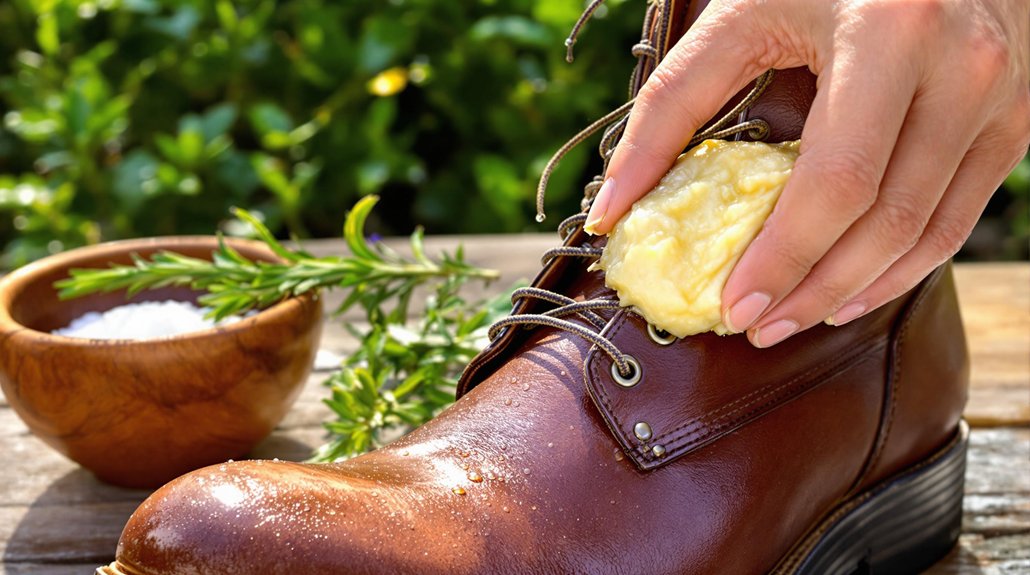
When exploring alternative waterproofing methods, you'll find a range of eco-friendly materials and techniques that can effectively enhance water resistance. These options not only provide protection but are also sustainable choices that can be easily integrated into your projects. Here are four effective methods to consider:
- Natural Bitumen: This material, derived from crude oil and mixed with organic fibers, offers flexibility and strength. It's ideal for larger surfaces requiring robust waterproofing. Professional evaluation can ensure that this method is applied correctly for maximum effectiveness. Additionally, it's crucial to account for site conditions to determine the suitability of natural bitumen in specific applications.
- Bentonite Clay: A non-toxic clay that swells upon contact with water, creating a formidable barrier. It's perfect for applications like basement waterproofing or foundation protection.
- Silane/Siloxane: These penetrating sealers react with concrete, forming a hydrophobic surface that repels water. They're particularly effective on walls and floors.
- Natural Waxes and Plant-Based Oils: Using organic sealants like beeswax or tung oil can create effective water-resistant finishes. These materials are suitable for wood treatment and protective coatings.
Waterproofing in Construction
Exploring alternative waterproofing methods opens the door to understanding the critical role waterproofing plays in construction. Effective waterproofing is essential for protecting buildings from water damage, and utilizing sustainable materials enhances both functionality and environmental responsibility. For instance, cementitious waterproofing is a reliable choice for internal wet areas, while liquid waterproofing membranes offer a versatile solution to cover large areas quickly. These methods often incorporate eco-friendly solutions that minimize environmental impact.
Polyurethane waterproofing stands out for its UV resistance and quick installation, making it ideal for outdoor applications. This method not only saves time but also utilizes sustainable materials, ensuring longevity. Bituminous waterproofing, often reinforced with fiberglass or polyester, provides flexibility and is suitable for low-sloped roofs, further emphasizing the need for durable, eco-conscious choices in construction.
When selecting waterproofing membranes, polymer-modified bitumen and EPDM membranes are excellent options. They exhibit high tensile strength and resistance to harsh weather conditions, aligning with eco-friendly practices by reducing the frequency of repairs. Self-adhesive modified bituminous membranes also contribute to sustainability by requiring less energy for installation.
To ensure successful waterproofing, you must focus on preparation, material selection, and application techniques. By choosing the right materials and following best practices, you can achieve effective waterproofing that stands the test of time while promoting sustainable construction methods. Ultimately, integrating eco-friendly solutions into waterproofing strategies not only protects structures but also supports a healthier planet.
Frequently Asked Questions
Can Natural Waterproofing Be Used on All Fabric Types?
Natural waterproofing isn't effective on all fabric types. You'll find it works best on natural fabric types like cotton, silk, and wool, while its waterproofing effectiveness diminishes with synthetic materials and heavily rain-exposed applications.
How Long Does Homemade Waterproofing Last Before Needing Reapplication?
Homemade waterproofing's longevity varies significantly based on materials and environmental factors. Generally, expect reapplication every one to three years, but specific techniques and conditions can impact this frequency, necessitating regular inspections for effectiveness.
Is Natural Waterproofing Safe for Children's Clothing?
Natural waterproofing is generally safe for children's clothing, adhering to safety standards while prioritizing fabric care. Using materials like waxed cotton or merino wool minimizes harmful chemical exposure, ensuring a healthier option for your child's wardrobe.
Can I Combine Different Waterproofing Agents for Better Results?
Yes, you can combine different waterproofing agents for better results. By evaluating waterproofing combinations, you enhance agent effectiveness, achieving superior moisture protection. Ensure compatibility and test mixtures to optimize results for your specific project.
What Is the Cost Comparison Between Natural and Synthetic Waterproofing?
When comparing costs, consider material differences and cost factors. Natural waterproofing typically ranges from $8 to $30 per gallon, while synthetic options are often cheaper, reflecting their varying durability and application methods.
Conclusion
In conclusion, utilizing natural waterproofing methods not only enhances your material's durability but also aligns with environmentally conscious practices. By understanding essential ingredients and employing effective techniques, you can achieve impressive water resistance in fabrics and construction. Exploring alternative methods further expands your options, ensuring you find the best solution for your needs. As you implement these strategies, you'll contribute to a sustainable approach in waterproofing while maintaining functionality and performance in various applications.