Category: Homesteading

Self-sufficient property management and sustainable living

  • Can You Drink Tree Sap?

    Can You Drink Tree Sap?

    You can drink tree sap, but you need to follow some important guidelines. First, identify the right trees, like maples and birches, and avoid toxic ones like eucalyptus. Collect sap from healthy trees using clean equipment to prevent contamination. Drink it fresh since storage can lead to spoilage or harmful bacteria. Tree sap is rich in minerals and nutrients, making it a healthy option, but always check for discoloration or bad smells before consuming. If you're curious about how to properly collect and store sap for the best flavor and safety, there's more to uncover.

    Safety Considerations

    When considering drinking tree sap, what safety precautions should you take? First and foremost, proper tree identification is crucial. You need to know which trees are safe for sap collection. Avoid saps from eucalyptus, yew, and dogwood trees, as these can be toxic. Stick to well-known trees, like maples, for a safer experience.

    Next, ensure you're collecting sap from healthy trees that show no signs of disease or infection. Use clean and sterilized equipment for tapping and storing the sap. This helps prevent contamination, which can lead to potential health risks. After collecting, always monitor the sap quality. If you notice any discoloration or an off smell, discard it immediately. A good practice is to ensure that sap is collected from healthy maple trees to guarantee quality.

    Fresh consumption of sap is the safest option. Avoid canning at home, as tree sap's pH levels can support bacterial growth, making it unsafe. Instead, store the sap in a cold environment and boil it as soon as possible. Boiling is essential for eliminating harmful bacteria that might be present in raw sap, as botulism spores thrive in low-sugar environments.

    Lastly, be cautious about overconsumption. Drinking too much sap can lead to illness due to high sugar content. Always monitor your health after consuming sap for any adverse reactions. By following these safety considerations, you can enjoy tree sap responsibly while minimizing your risks.

    Nutritional Benefits

    Drinking tree sap not only offers a unique experience but also comes with a variety of nutritional benefits that can enhance your overall health. When you sip on tree sap, you're getting a rich source of minerals and nutrients. For instance, it contains potassium, magnesium, calcium, and zinc, which are essential for your body. These minerals support bone health, regulate blood pressure, and keep your electrolytes balanced. Additionally, tree sap plays a role in supporting tree health by transporting nutrients through xylem and phloem.

    Tree sap is also packed with over 50 different micronutrients and trace minerals, along with vitamins and amino acids that contribute to your daily nutritional needs. One of the standout features is the presence of bioactive compounds, particularly polyphenols and antioxidants. Maple sap, for example, has 46 unique bioactive compounds that help combat oxidation, potentially reducing the risk of diseases like atherosclerosis and diabetes. Additionally, maple water is composed of 95% to 97.5% water, making it an excellent choice for hydration.

    Additionally, the oligosaccharides in tree sap support digestive health by acting as food for good bacteria. It may also help regulate blood sugar levels thanks to a compound called Abscisic Acid (ABA). Some tree saps, like birch sap, contain saponins that can help lower cholesterol.

    Historical Uses

    Tree sap has a rich history that intertwines with the cultural practices of Indigenous peoples and later European settlers. Indigenous peoples, such as the Ojibwa, Ottawa, and Potawatomi tribes, were among the first to tap maple trees for their sap. They used birch bark containers to collect the sap, which they boiled down to create a sweet syrup. This syrup served as a vital source of energy and nutrition for these communities. Similarly, the Eastern Woodland Indians, including the Abenaki and Iroquois, adopted these early methods, showcasing the importance of maple sap in their diets and traditions.

    The Micmac Indians took it a step further, using metal tools to collect and distill maple sap as early as 1606. Legends, like the story of Glooskap, highlight the cultural significance of maple sap among Native Americans. When European settlers arrived, they observed these indigenous practices and quickly adopted the techniques. French fur traders and explorers, including Jacques Cartier, documented maple sugaring in North America in the early 1540s. These early methods spread across the region, with the Quakers promoting maple sugar as a more ethical alternative to cane sugar. Additionally, this transition marked the beginning of economic reliance on syrup production for many rural communities in North America.

    In northern and eastern Europe, tree sap from birch trees was also utilized. Historical records show that birch sap was consumed as a fresh drink, and it was even fermented into light alcoholic beverages. This demonstrates the diverse ways tree sap has been valued throughout history, including its significant mineral content which is higher than that of spring water.

    Preparation and Storage

    Properly preparing and storing tree sap is essential to maintain its freshness and quality. To start, you should aim for daily sap collection. This practice keeps the sap cool and prevents spoilage. When you collect sap, store it in stainless steel tanks, which are the best option for longer periods. Avoid using poly tanks, as they can encourage bacterial growth.

    For immediate storage, utilize shaded areas and consider additional cooling methods, like snow packaging or placing the sap in shallow streams. Naturally occurring refrigerators can work well for small-scale operations. If you can't cool the sap and it reaches 50°F, it's crucial to boil it immediately to halt spoilage. Boiling sap helps to remove excess water and preserve its quality.

    When it comes to storage methods, always use food-safe containers to ensure quality. Regularly check your collection buckets and empty them daily. This practice prevents overflow and keeps your sap fresh. Additionally, implementing daily collection helps to maintain sap freshness and prevent spoilage.

    In preparation, use multiple pots and pans to mimic the commercial boiling process. Preheat any extra sap before adding it to your main evaporator pan to keep the temperature steady. Always leave some headroom in your evaporator pan to avoid boiling over. After reaching the correct density and temperature, perform a final filtration. Lastly, hot-pack your syrup into sterilized jars for long-term storage. Following these steps will help you enjoy your tree sap while keeping it safe and delicious.

    Commercial Products

    marketed consumer goods category

    Exploring the world of commercial tree sap products reveals a diverse range of options that cater to health-conscious consumers. These products, especially from maple and birch trees, showcase exciting product innovations and align with current market trends. You can now find bottled maple sap beverages, like KiKi Maple Sweet Water, which is making waves in health food stores across Canada. Birch sap, often enjoyed as "Forest Drink," has gained popularity in Europe and Asia. Additionally, both xylem sap and phloem sap play crucial roles in the overall health and nutrient distribution of trees, making their extracts beneficial for consumers.

    Here's a quick overview of some popular commercial tree sap products:

    Product Type Notable Features
    Maple Sap Beverages All-natural, healthy, available in stores
    Birch Sap Drinks Sweetened, preserved, enjoyed in Europe
    Flavored Maple Sap Varieties like blueberry, strawberry, and cranberry
    Birch Beer Soda A popular drink made from birch sap
    Preserved Birch Sap Maintained natural state year-round

    Companies such as Feronia Forests focus on extending maple sap's shelf life while Nordic Koivu employs unique methods to keep birch sap fresh without preservatives. Fresh sap can be collected using a clean 1-gallon jug, and the market for these products is expanding globally, with discussions for exports to Korea, China, and Japan.

    Investing in tree sap products not only supports health but also contributes to sustainable forestry practices. As you explore these options, consider how these innovations reflect a growing trend toward natural and wholesome beverages.

    Potential Risks

    While the market for tree sap products is expanding and offers many health benefits, it's important to be aware of the potential risks associated with drinking tree sap. First, you need to conduct a risk assessment before consuming any sap. Unprocessed sap may carry harmful bacteria, which can lead to infections or digestive issues. Additionally, if the sap isn't boiled properly, it can harbor botulism toxin, a serious health threat.

    You should also consider the possibility of allergic reactions. If you're allergic to pollen from a specific tree, drinking that tree's sap could trigger symptoms. Heavy metal contamination is another concern; sap can contain unsafe levels of these metals, posing further health implications.

    When it comes to storage, remember that improperly stored sap can spoil. Look out for signs like mold, bubbling, or changes in color, as these indicate it's no longer safe to drink. If you're planning to preserve sap at home, be cautious. Canning it is risky due to the botulism risk, and there are no safe, tested methods for home preservation.

    Lastly, while some people enjoy the taste of tree sap, consuming large quantities could lead to spikes in blood sugar, impacting your overall health. Always prioritize safety and ensure that any tree sap you consume is processed and stored correctly to minimize these potential risks.

    Conclusion

    In conclusion, you can drink tree sap, but it's important to know a few things first. Always ensure the sap is from a safe tree, like a maple, and that it's clean. Drinking fresh sap offers some nutritional benefits, but be cautious of potential risks, like allergies or contamination. If you decide to try it, prepare and store it correctly. Enjoying tree sap can be a unique experience, as long as you prioritize safety and proper handling.

  • How to Make Natural Waterproofing

    How to Make Natural Waterproofing

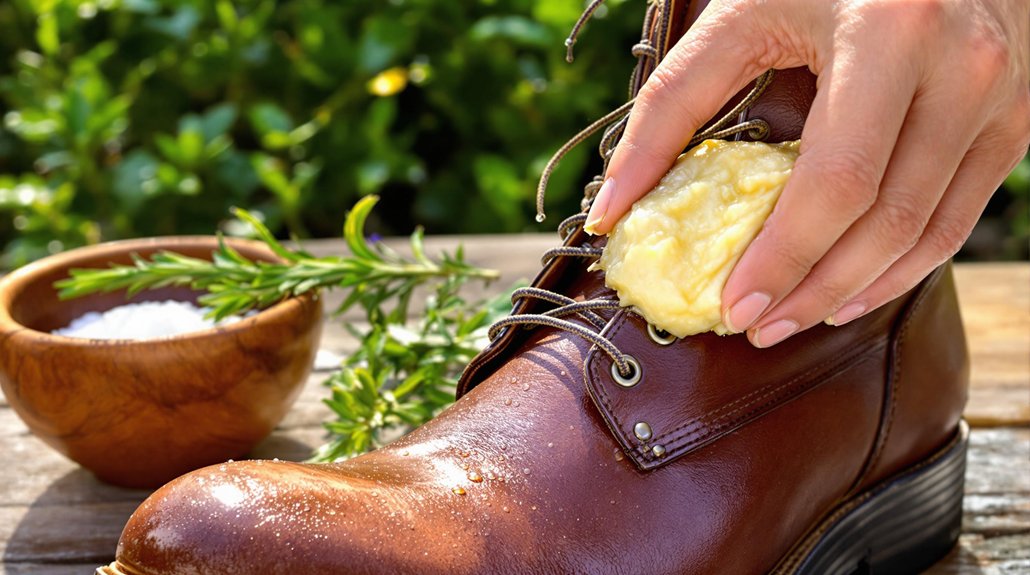
    To make natural waterproofing, start with eco-friendly ingredients like beeswax and olive oil. Melt beeswax and mix it with a carrier oil, creating a homogenous blend for easy application. You can enhance the mixture with essential oils for added benefits. For fabric, apply the beeswax mixture onto cotton or silk, ensuring thorough coverage, and heat it to bond well. Always seal seams to prevent water intrusion. Assess the surfaces for cleanliness and moisture before application to maximize effectiveness. Exploring various materials and methods will uncover more practical insights for your waterproofing projects.

    Essential Natural Waterproofing Ingredients

    When you're looking to create an effective natural waterproofing solution, understanding the essential ingredients is crucial. One of the primary components is beeswax, which offers numerous benefits, including a natural barrier against water and enhanced durability for treated materials. Its ability to create a flexible coating makes it ideal for various applications, from fabrics to leather. Additionally, using a homemade waterproofing solution can be a sustainable and cost-effective approach to protecting your gear.

    To achieve the right consistency and waterproofing capacity, you'll need to consider the oil ratios in your mixture. A carrier oil, like olive oil or linseed oil, acts as a base, allowing the beeswax to spread evenly. Using boiled linseed oil can be particularly advantageous due to its quick-drying properties and polymer-forming characteristics, which further enhance the waterproofing effect. Furthermore, mixing with mineral spirits can help achieve a thinner consistency for easier application.

    You can also incorporate essential oils, such as lavender or tea tree, for added scent or insect-repelling properties. While these are optional, they can improve the overall functionality of your solution. If you wish to thin the mixture for easier application, turpentine is an effective option, but handle it with care due to its flammability.

    Once you've melted the beeswax and oil in a controlled setting, you'll want to adjust the ratios based on your specific needs. Applying multiple coats, allowing each to dry fully, ensures optimal waterproofing. Always work in a well-ventilated area to maintain safety while crafting your natural waterproofing solution.

    Types of Waterproof Fabrics

    Waterproof fabrics come in various types, each offering unique properties suited for different applications. Among natural options, cotton blends and wool treatments stand out. ELS (Extra-Long-Staple) cotton, particularly from California, demonstrates natural water resistance due to its dense weave. This characteristic significantly reduces water absorption, making it ideal for outerwear and waterproof bed protectors. By blending cotton with other materials, you can enhance its water-resistant qualities, which is particularly useful in quilting projects aimed at creating waterproof sheets. Additionally, waterproof fabrics like nylon and polyester are often treated to enhance their durability and effectiveness.

    Wool, on the other hand, is inherently water-resistant thanks to its fibrous structure. You can further improve its water-repellent properties through treatments, such as applying lanolin. This natural oil coats the wool fibers, providing an extra layer of protection against moisture. However, keep in mind that these lanolin treatments are not permanent; you'll need to reapply them periodically to maintain effectiveness. Wool is often used in clothing and bedding, offering both warmth and water resistance, making it suitable for various environments. Moreover, waterproof fabric properties can help prevent odor from trapped moisture, contributing to a more comfortable experience.

    DIY Waterproofing Techniques

    Many homeowners frequently encounter issues with water intrusion in their basements, prompting the need for effective DIY waterproofing techniques. To address these challenges, start by assessing your foundation type and identifying the source of the water intrusion. This step is crucial to selecting the right waterproofing products and ensuring a comprehensive solution.

    Begin with sealing cracks and gaps. Utilize epoxy or polyurethane crack injection kits to fill any visible cracks in your foundation walls and floors. For narrower gaps, a caulking gun or putty knife will help you apply caulk or epoxy smoothly. Remember to smooth out the surface with a damp cloth for a neat finish. Regular inspections for new cracks will help you identify potential issues early. Additionally, using polyurethane laminate (PUL) provides a durable option for water resistance in your waterproofing efforts.

    Next, consider installing a sump pump and French drain system. Locate the lowest point in your basement, drill a hole for the sump pit, and secure the pump. Then, dig a trench along the perimeter, lay drain tile, and connect it to the sump pump. Cover the tile with gravel and fill the trench with concrete, creating a reliable moisture barrier.

    Finally, applying waterproof coatings to your interior walls and floors can significantly enhance protection. Use a roller or brush to apply a coating designed specifically for concrete surfaces, ensuring it's water and moisture-resistant. Allow each coat to dry completely, applying additional layers if necessary for optimal coverage. Conducting regular maintenance on these coatings will ensure their long-term effectiveness.

    Steps for Natural Fabric Waterproofing

    Natural fabric waterproofing involves several key steps that enhance the water resistance of textiles without compromising their integrity. To start, you'll want to choose natural fibers like cotton or silk, as these materials respond well to various waterproofing techniques. One effective method is beeswax application. Products like Otter Wax Fabric Wax can be applied directly to the fabric, providing a durable water-repellent barrier.

    For optimal results, consider using heat-activated waxes, especially for multi-layered coats and jackets. This technique bonds well with natural fibers, enhancing their water resistance. When applying the wax, ensure that you seal seams properly, as this is crucial for preventing water from seeping through stitching and gaps. Additionally, rising consumer awareness of sustainable products is driving the demand for natural fabrics that can be treated for waterproofing.

    If you opt for a spray method, choose a waterproof spray designed for outdoor use. This can be particularly useful for quick applications. Keep in mind that curing times are essential; allow 24 to 48 hours for heat-activated waxes to penetrate the fabric fully and ensure effective protection. Moreover, regular checks are recommended to maintain waterproof quality after treatment. Lastly, remember that the quality of the natural materials you use can significantly impact the effectiveness of your waterproofing efforts. Materials like merino wool, which is naturally water-repellent due to its lanolin content, can further enhance your waterproofing project. By following these steps, you can achieve a reliable and eco-friendly waterproofing solution for your textiles.

    Alternative Waterproofing Methods

    waterproofing technique alternatives available

    When exploring alternative waterproofing methods, you'll find a range of eco-friendly materials and techniques that can effectively enhance water resistance. These options not only provide protection but are also sustainable choices that can be easily integrated into your projects. Here are four effective methods to consider:

    1. Natural Bitumen: This material, derived from crude oil and mixed with organic fibers, offers flexibility and strength. It's ideal for larger surfaces requiring robust waterproofing. Professional evaluation can ensure that this method is applied correctly for maximum effectiveness. Additionally, it's crucial to account for site conditions to determine the suitability of natural bitumen in specific applications.
    2. Bentonite Clay: A non-toxic clay that swells upon contact with water, creating a formidable barrier. It's perfect for applications like basement waterproofing or foundation protection.
    3. Silane/Siloxane: These penetrating sealers react with concrete, forming a hydrophobic surface that repels water. They're particularly effective on walls and floors.
    4. Natural Waxes and Plant-Based Oils: Using organic sealants like beeswax or tung oil can create effective water-resistant finishes. These materials are suitable for wood treatment and protective coatings.

    Waterproofing in Construction

    Exploring alternative waterproofing methods opens the door to understanding the critical role waterproofing plays in construction. Effective waterproofing is essential for protecting buildings from water damage, and utilizing sustainable materials enhances both functionality and environmental responsibility. For instance, cementitious waterproofing is a reliable choice for internal wet areas, while liquid waterproofing membranes offer a versatile solution to cover large areas quickly. These methods often incorporate eco-friendly solutions that minimize environmental impact.

    Polyurethane waterproofing stands out for its UV resistance and quick installation, making it ideal for outdoor applications. This method not only saves time but also utilizes sustainable materials, ensuring longevity. Bituminous waterproofing, often reinforced with fiberglass or polyester, provides flexibility and is suitable for low-sloped roofs, further emphasizing the need for durable, eco-conscious choices in construction.

    When selecting waterproofing membranes, polymer-modified bitumen and EPDM membranes are excellent options. They exhibit high tensile strength and resistance to harsh weather conditions, aligning with eco-friendly practices by reducing the frequency of repairs. Self-adhesive modified bituminous membranes also contribute to sustainability by requiring less energy for installation.

    To ensure successful waterproofing, you must focus on preparation, material selection, and application techniques. By choosing the right materials and following best practices, you can achieve effective waterproofing that stands the test of time while promoting sustainable construction methods. Ultimately, integrating eco-friendly solutions into waterproofing strategies not only protects structures but also supports a healthier planet.

    Frequently Asked Questions

    Can Natural Waterproofing Be Used on All Fabric Types?

    Natural waterproofing isn't effective on all fabric types. You'll find it works best on natural fabric types like cotton, silk, and wool, while its waterproofing effectiveness diminishes with synthetic materials and heavily rain-exposed applications.

    How Long Does Homemade Waterproofing Last Before Needing Reapplication?

    Homemade waterproofing's longevity varies significantly based on materials and environmental factors. Generally, expect reapplication every one to three years, but specific techniques and conditions can impact this frequency, necessitating regular inspections for effectiveness.

    Is Natural Waterproofing Safe for Children's Clothing?

    Natural waterproofing is generally safe for children's clothing, adhering to safety standards while prioritizing fabric care. Using materials like waxed cotton or merino wool minimizes harmful chemical exposure, ensuring a healthier option for your child's wardrobe.

    Can I Combine Different Waterproofing Agents for Better Results?

    Yes, you can combine different waterproofing agents for better results. By evaluating waterproofing combinations, you enhance agent effectiveness, achieving superior moisture protection. Ensure compatibility and test mixtures to optimize results for your specific project.

    What Is the Cost Comparison Between Natural and Synthetic Waterproofing?

    When comparing costs, consider material differences and cost factors. Natural waterproofing typically ranges from $8 to $30 per gallon, while synthetic options are often cheaper, reflecting their varying durability and application methods.

    Conclusion

    In conclusion, utilizing natural waterproofing methods not only enhances your material's durability but also aligns with environmentally conscious practices. By understanding essential ingredients and employing effective techniques, you can achieve impressive water resistance in fabrics and construction. Exploring alternative methods further expands your options, ensuring you find the best solution for your needs. As you implement these strategies, you'll contribute to a sustainable approach in waterproofing while maintaining functionality and performance in various applications.

  • How to Wash Clothes if You Don’t Have Any Detergent

    How to Wash Clothes if You Don’t Have Any Detergent

    You can wash your clothes without detergent by using common household items. Baking soda is great for removing stains and odors. Mix it with vinegar for an extra boost in cleaning. If you have soap nuts or castile soap, both work effectively too. For heavily soiled items, pre-treat stains with hydrogen peroxide. Remember to sort your clothes by color and fabric type to avoid damage. Wash in cold water to save energy, and consider air-drying to maintain garment quality. There are even more tips and tricks to make laundry easier and more effective.

    Alternative Laundry Detergents

    When it comes to washing clothes without traditional detergent, you have several effective alternatives at your disposal. One popular option is baking soda. Not only does it help strip tough stains, but it also neutralizes odors, making it a fantastic choice for freshening up your laundry. Combine baking soda with lemon juice to enhance its stain-fighting properties. The citrus in lemon juice acts as a natural antibacterial agent, leaving your clothes smelling fresh.

    Vinegar is another versatile alternative. You can use it alone or mix it with baking soda for a powerful cleaning duo. Vinegar dissolves dirt and grease without leaving behind any unpleasant odors. Plus, it softens fabrics, making your laundry feel great. Just be cautious; while vinegar uses are extensive, avoid aerosolizing it, as that can irritate lungs. Additionally, using eco-friendly practices in your laundry routine can significantly reduce your environmental impact. Moreover, making your own laundry detergent is cost-effective and allows you to control the ingredients you use.

    For a more robust solution, consider making your own laundry detergent. You can mix 2 cups of washing soda, 2 cups of baking soda, and 2 cups of Borax with a bar of soap for an easy laundry powder. This combination effectively tackles various stains and dirt, while the baking soda benefits your laundry by deodorizing it.

    If you're looking for something gentler, sodium sesquicarbonate can replace Borax in your recipes, making it suitable for sensitive skin. Remember to handle ingredients like Borax carefully to avoid skin irritation. With these natural alternatives, you can achieve clean, fresh laundry without traditional detergent.

    Utilizing Household Items

    You can effectively wash your clothes using everyday household items, offering a practical solution if you're out of traditional detergent. One highly effective option is white vinegar, which has several vinegar benefits. It acts as an antibacterial agent, helping to lift stains and eliminate odors without leaving any residue. Just add half a cup of distilled white vinegar to the detergent compartment of your washing machine. If your clothes are heavily soiled, you can increase the amount to one cup. Rest assured, your clothes won't carry a vinegar smell after they're washed and dried.

    Another great alternative is baking soda. This versatile item can work wonders on dirt, grease, and grime, leaving your clothes soft and fresh. You can combine it with vinegar by adding one cup of each to the washing machine for enhanced cleaning power. Alternatively, if you prefer, replace the vinegar with an equal amount of lemon juice to tackle tough stains and odors effectively. Baking soda acts as a natural deodorizer, making it a great addition for freshness in your laundry.

    If you have borax on hand, it's another useful substitute. This natural mineral salt can help fight acidic stains, but be cautious as it's not suitable for delicate fabrics. Borax's pH level of 9.1 makes it effective for treating tough stains. Lastly, if you're in a pinch, a bar of soap can be grated and mixed with hot water to create a soapy solution. Remember to add a half cup of vinegar or lemon juice during the rinse cycle to eliminate any residue. By utilizing these household items, you can keep your clothes fresh and clean without detergent.

    Detergent-Free Washing Systems

    Detergent-free washing systems are revolutionizing the way we do laundry by offering an effective alternative to traditional cleaning methods. By utilizing Activated Oxygen technology, these systems inject a controlled amount of this powerful natural disinfectant directly into wash water, consolidating various laundry needs without the use of detergents, bleaches, or softeners. This not only enhances laundry efficiency but also allows you to wash clothes in cold water, saving energy. Additionally, these systems operate efficiently, consuming less energy than a 40-watt bulb, making them an environmentally friendly choice for households. Proper sorting of laundry by color and fabric type can further enhance the effectiveness of these detergent-free systems.

    Here's a quick comparison of the benefits of detergent-free washing systems:

    Feature Traditional Washing Detergent-Free Systems
    Cleaning Agents Detergents Activated Oxygen
    Energy Consumption High Low (similar to 40W bulb)
    Water Temperature Requirement Hot water Cold water
    Environmental Impact High plastic waste Minimal waste
    Skin Sensitivity Harsh chemicals Non-toxic, gentle

    You'll find that these systems are cost-effective too, saving significant amounts over time. With systems like CleanStart, you could save up to $6,500 over a decade! They're

    Laundry Basics

    Laundry basics encompass essential practices that ensure your clothes come out clean and well-maintained. To start, always read the care labels on your garments. These labels provide crucial fabric care instructions that can prevent damage during washing. Next, sort your clothes by color to avoid any color bleeding—dark colors should go with darks and lights with lights. Additionally, pre-treat any stains before washing; this increases the likelihood of proper stain removal.

    When sorting, consider the fabric type as well. Grouping items by fabric ensures optimal cleaning. Delicate items, such as lace or silk, should be separated from regular clothes to protect them during the wash cycle. It's also important to follow care instructions to prevent fabric damage when washing different materials.

    Choosing the right washing parameters is also vital. Select an appropriate water temperature based on the fabric type, and choose the correct wash cycle. Avoid overloading your washing machine; a good rule of thumb is to use the palm trick—if your palm fits on top of the clothes, it's not overloaded. Using a laundry ball can enhance the cleaning process by utilizing ceramic pellets and magnets to agitate dirt from your clothes without the need for detergent.

    Once washing is done, unload the washer promptly to prevent wrinkles. For drying, select the right dryer cycle based on fabric care, and consider using natural fabric softeners like wool dryer balls. Lastly, fold or hang clothes immediately to avoid creases, and remember to handle delicates with care.

    Natural Cleaning Methods

    eco friendly cleaning solutions

    When it comes to cleaning clothes naturally, many effective methods can easily replace conventional detergents. Using eco-friendly ingredients not only benefits your laundry but also the environment. Here are some natural cleaning methods you can try:

    • Baking Soda + Lemon Juice: This combination tackles tough stains and odors while providing antibacterial properties.
    • Plain Vinegar: It whitens and brightens clothes, softens fabric, and helps fight stains without harsh chemicals. Additionally, using natural fibers helps minimize microplastic pollution during the washing process.
    • Soap Nuts (Soapberries): These natural berries contain saponin, acting as a natural detergent when placed in a cloth bag during washing. They are also an effective alternative to conventional detergents, making them a versatile choice for eco-conscious consumers.
    • Castile Soap: A biodegradable option that's gentle on fabrics, you can use it in small quantities as a laundry detergent.

    For effective natural stain removal, consider using lemon juice or hydrogen peroxide mixed with Castile soap. Simply apply these solutions directly to the stain and let them sit for a few minutes before washing.

    You can also create homemade detergent recipes to simplify your laundry routine. For example, mix washing soda, baking soda, Borax, and finely grated Castile soap for a basic powder detergent.

    Special Care Items

    Taking care of special items in your wardrobe requires a bit more attention to detail than regular laundry. Start by checking the care label to see if your garments can be hand-washed. Delicates like cashmere or wool sweaters, as well as lightweight, dry-clean-only items, often benefit from hand washing techniques. You can also hand-wash cotton, silk, synthetic tops, and viscose rayon. Always wash small loads to prevent over-soaping, especially for gym clothes and underwear, and remember to hang dry your items to maintain their shape and quality.

    If you prefer machine washing, be cautious. It's vital not to mix lint-givers, like towels, with lint-receivers, such as knitwear. Separate heavily soiled items from lightly soiled ones to ensure effective cleaning. Check the care and fiber labels to confirm that your items can handle the same water temperature and drying times. For delicates that require hand washing, avoid machine washing entirely.

    Avoid common mistakes, like over-soaping, which can leave a crunchy residue on your clothes. Be mindful of using hot water, as it can fade colors and shrink fibers. When dealing with heavily soiled items, pre-treat stains and soak them before washing. For hand washing, use a basin with cool water and a small amount of detergent. Swirl the soap and water until mixed thoroughly before adding your garments. Following these guidelines will help you care for your special items effectively.

    Eco-Friendly Practices

    sustainable environmental conservation methods

    Caring for your clothes doesn't just mean keeping them clean; it also involves making eco-friendly choices that benefit the environment. By adopting sustainable laundry habits, you can significantly reduce your ecological footprint while still maintaining your wardrobe. Here are some eco-friendly practices you can easily integrate into your routine:

    • Wash clothes less frequently to save water and energy.
    • Air-dry garments to cut down on climate impact by 67%.
    • Choose eco-friendly detergents that are plant-based or free from harmful chemicals.
    • Invest in sustainable fabrics to lessen environmental harm.

    Start by washing in cold water, which can lower your carbon footprint by about 10%. When you do wash, make sure to run full loads to minimize the number of cycles. It's also a good idea to turn your clothes inside out before washing; this protects colors and prevents snagging, extending the life of your garments.

    When it comes to drying, ditch the electric dryer as it accounts for a significant portion of your laundry's carbon footprint. Instead, air-dry your clothes whenever possible. If you need to use detergent, opt for eco-friendly options such as laundry sheets or homemade mixtures using natural ingredients like castile soap and baking soda. Remember, keeping your clothes clean is important, but adopting these eco-friendly practices ensures that your laundry routine is sustainable for the planet.

    Frequently Asked Questions

    Can I Wash Clothes Without Any Cleaning Agents at All?

    Yes, you can wash clothes without any cleaning agents. Try alternative cleaning methods like hand washing with friction or using natural stain removers like baking soda and vinegar to lift dirt and odors effectively.

    How Do I Remove Tough Stains Without Detergent?

    To remove tough stains, use natural alternatives like vinegar for grease or lemon juice for grime. Apply these stain removal techniques directly to the stain, soak, and then wash as usual for effective results.

    Is It Safe to Wash Baby Clothes Without Detergent?

    It's not safe to wash baby clothes without detergent. Baby skin is sensitive, and delicate fabrics need proper cleaning to avoid irritation. Always use a gentle detergent to ensure cleanliness and protect your little one's skin.

    How Often Can I Wash Clothes Without Detergent?

    You can wash clothes based on frequency guidelines from traditional laundry practices. Underwear should be washed after each use, while jeans can be worn multiple times before washing. Adjust according to fabric and personal hygiene needs.

    Will My Clothes Smell Fresh After Washing Without Detergent?

    Your clothes can still smell fresh after washing without detergent. Try fresh laundry alternatives like baking soda and vinegar for natural deodorizing methods. They effectively neutralize odors, leaving your garments clean and pleasantly scented.

    Conclusion

    Washing clothes without detergent is totally doable with a bit of creativity. By using household items like baking soda or vinegar, you can effectively clean your garments while being eco-friendly. Consider investing in detergent-free washing systems for a more sustainable approach. Always remember the basics of laundry care and take special care with delicate items. With these tips, you can keep your clothes fresh and clean, even when you're out of detergent. Happy washing!