Choosing lightweight camping gear for survival is essential because it improves your mobility, making it easier to navigate tricky terrains. When you carry less weight, you reduce fatigue and lower your risk of injury, which is vital for safety. Lightweight gear also allows you to pack efficiently, leaving room for emergency supplies. Plus, with quicker setups and less bulk, you can explore more areas without feeling worn out. This type of gear often includes eco-friendly materials, promoting responsible outdoor practices. If you stay curious, there's a lot more to discover about the advantages of lightweight camping gear.
Key Benefits of Lightweight Gear
When you're out on the trail, lightweight camping gear can make all the difference. Using lightweight materials means you carry less weight, which reduces physical strain on your body. This makes hiking more comfortable and lowers your risk of injury. With lighter gear, you can travel longer distances each day and have more flexibility in choosing trails and camping spots. You'll notice that your overall backpacking experience improves, as you feel less fatigued and more energized. Additionally, ultralight gear often costs less than traditional heavy gear, allowing you to invest in higher-quality items without breaking the bank.
Lightweight gear is also versatile and practical. Many items serve multiple purposes, which means you won't need as much equipment. High-quality materials ensure that your gear lasts a long time, so you won't have to worry about frequent replacements. With easy assembly and disassembly, you can set up your campsite quickly, allowing you to spend more time enjoying nature. Lightweight shelters protect you from the elements, while compact designs simplify packing and organization. Additionally, these shelters are designed for quick setup, typically allowing you to establish camp within minutes.
Additionally, using lightweight gear has environmental and social benefits. It reduces your impact on the backcountry, which supports ethical camping practices and promotes "Leave No Trace" principles. When you carry less gear, you create less waste, enabling you to explore less crowded areas and experience solitude.
Finally, gear maintenance becomes easier with lighter items since you spend less time managing equipment on the trail. Overall, lightweight camping gear enhances your experience, making your outdoor adventures more enjoyable and sustainable.
Importance of Skills and Planning
Equipping yourself with essential survival skills and thorough planning can significantly enhance your outdoor experience. A strong survival mindset is crucial when venturing into the wilderness. It helps you stay calm and think clearly, especially during emergencies. Start by learning basic outdoor skills like navigating without a GPS, finding water, and building a shelter. These skills foster self-sufficiency, allowing you to handle unexpected situations independently. Additionally, mastering skills such as tracking and foraging can create meaningful interactions with nature.
Planning strategies are just as important as the skills you acquire. Before your trip, identify your destination and how long you'll be out. This helps you pack the right lightweight gear and mentally prepare for your adventure. Don't forget to include emergency contacts in your plan for added safety. Designating an emergency contact who is familiar with crisis management can provide peace of mind during your trip.
When packing, prioritize essential items like fire starters, water purification tools, and first aid supplies. Assess the resources available at your destination to make effective plans. Knowing how to signal for help and remaining adaptable to changing conditions can make all the difference.
In survival situations, staying calm and using critical thinking skills is essential. You'll be able to make better decisions that could keep you safe. Mastering these skills and having a solid plan not only boosts your confidence but also enhances your overall experience in the great outdoors. Remember, being prepared is the key to enjoying your adventure while minimizing risks.
Balancing Weight and Safety
Balancing weight and safety is crucial for any camping trip, especially in challenging conditions. When you're packing for a hike, it's important to choose lightweight gear that matches the environment and season. For instance, if you're camping in winter, understanding your shelter's limits is vital for maintaining safety. You want to ensure your shelter has stability against harsh winds and snow, while still being easy to carry.
Opt for lighter gear that performs as well as its heavier counterparts. While you might be tempted to cut weight at all costs, doing so can compromise your safety. Overemphasizing lightness may lead you to overlook gear durability and functionality, which are essential in unpredictable weather. Intentional gear selection is crucial for optimal pack weight and suitability. Additionally, effective campsite selection can further enhance your safety by minimizing exposure to severe weather conditions.
Reducing pack weight not only eases strain on your joints but also allows you to explore farther into the backcountry. A lighter pack gives you flexibility in choosing camping spots, helping you minimize your environmental impact. Plus, having less gear means you'll be less likely to misplace important items.
Consider shelters like tarps or pyramid designs; they can enhance ventilation and reduce humidity levels, unlike smaller tents that may cause condensation. Good camping skills, such as proper campsite selection and gear management, are necessary for safety. Ultimately, finding the right balance between weight and safety will ensure that your adventure is both enjoyable and secure.
Effective Gear Selection Strategies
Effective gear selection is vital for a successful camping experience. When you're out in the wilderness, choosing the right gear can make all the difference. Start with gear evaluation to determine what items you truly need. Focus on lightweight materials that don't compromise durability. For example, consider using high-performance fabrics like Dyneema or Cuben Fiber, which offer both strength and lightness.
Next, prioritize ergonomic features in your backpack. A comfortable pack will help you move with ease, especially on long hikes. Look for minimalist designs that maintain functionality without unnecessary weight. Multi-purpose gear is also a great strategy—think of using your cooking pot as a bowl or a rain jacket as a groundsheet. Utilizing items with multiple uses reduces overall gear count. Additionally, invest in gear from reputable brands that ensure durability, as this can prevent the need for frequent replacements.
Efficient packing strategies can help you maximize space and reduce bulk. Use compression sacks and packing cubes to organize your gear, ensuring you can access frequently used items without hassle. Don't forget to eliminate non-essentials; every ounce counts.
Lastly, find a balance between weight and comfort. Prioritize crucial components like your backpack, shelter, and sleep system. Choose a tent that's quick to set up, weather-resistant, and well-ventilated. For your sleeping bag, select one that balances warmth with weight.
Environmental and Social Impact

When you choose lightweight camping gear, you're not just enhancing your outdoor experience; you're also making a positive impact on the environment and society. By opting for gear made from sustainable materials, you're helping to minimize waste and reduce your carbon footprint. Lightweight gear is often designed with eco-friendly practices in mind, promoting social responsibility among manufacturers. Backpack selection based on weight and comfort also contributes to a more efficient packing experience.
Here are three significant ways your choice matters:
- Reduced Waste: Lightweight gear encourages you to pack less, which means generating less trash. You can also find biodegradable toiletries and reusable water bottles, cutting down on single-use plastic. Additionally, many lightweight tents are made from recycled materials, which further aids in waste reduction.
- Conservation of Resources: Many lightweight materials, like recycled aluminum and organic cotton, require fewer resources to produce. This not only helps conserve natural resources but also supports companies that prioritize eco-friendly practices.
- Support for Ethical Brands: When you choose gear from brands that focus on sustainability, you're promoting social responsibility. Companies like Vango use discarded plastic bottles to create tents, showcasing how recycling can be integrated into camping gear.
Potential Drawbacks of Lightweight Gear
Often, lightweight gear comes with several potential drawbacks that can impact your camping experience. One of the most significant issues is the higher costs associated with ultralight gear. These items are often more expensive than traditional options, and you might find yourself needing to replace them more frequently due to their limited durability. This can lead to unexpected cost considerations that you may not have anticipated.
Additionally, you'll likely face comfort trade-offs when opting for lightweight gear. For instance, ultralight sleeping bags and pads often lack the cushioning and insulation of their heavier counterparts, which can lead to uncomfortable nights, especially in colder conditions. You might also have to forgo some luxury items that enhance your overall camping experience, like comfortable camp chairs or extra clothing, which can make your trip feel less enjoyable.
Moreover, with less room for backup supplies, you're at a higher risk during emergencies. If the weather turns bad or if something goes wrong, relying on minimal gear can increase your vulnerability. It's essential to plan carefully and consider what you truly need versus what you want to carry.
Enhancing Mobility in the Wilderness
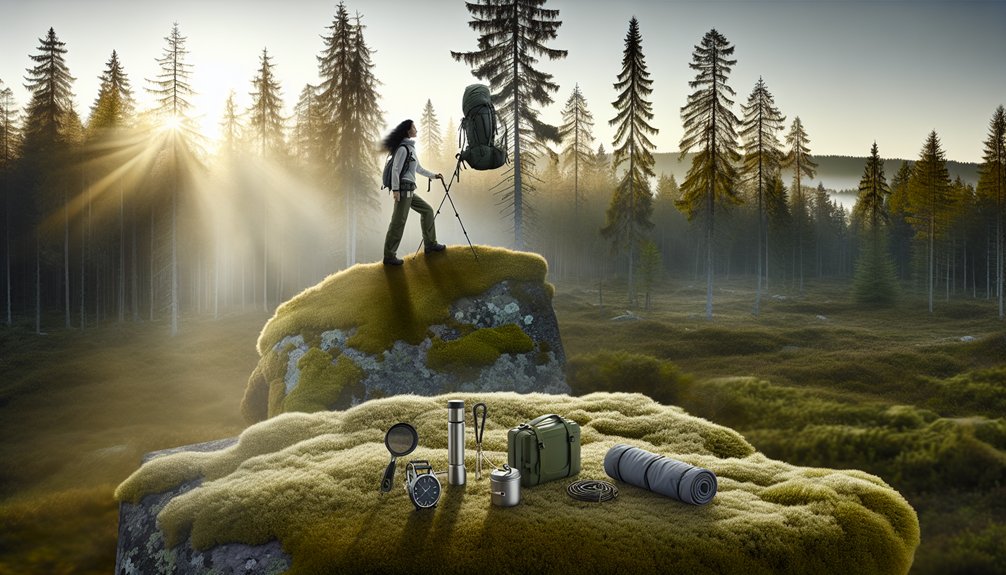
Choosing lightweight gear may come with some trade-offs, but it can significantly enhance your mobility in the wilderness. When you're out there, every ounce matters. Lightweight gear helps you move faster and with less fatigue, allowing you to explore more of nature.
Here are three key benefits to consider:
- Easier Set-Up: With compact shelter options, you can spend less time setting up and more time enjoying your surroundings. Lightweight tents or tarp-style shelters are easy to pitch and take down.
- Balanced Weight Distribution: Opt for backpacks with thoughtful backpack features like balance pockets. These help evenly distribute weight, reducing strain on your back and shoulders during long hikes.
- Versatile Gear: Choose shelters that adapt to different conditions. Lightweight materials like Dyneema ensure durability without bulk, while sealed seams keep you dry in wet weather.
When you prioritize lightweight gear, you create a more enjoyable experience in the wilderness. You can easily navigate through trails, set up your camp quickly, and stay comfortable while on the move. Remember, the right shelter options and backpack features make all the difference. By investing in quality gear, you enhance your overall mobility, making your outdoor adventures safer and more enjoyable. Embrace the freedom that comes with lightweight camping gear, and you'll find yourself exploring further than you ever thought possible.
Nutrition and Food Choices
Nutrition plays a crucial role in your lightweight camping experience, as the right food choices can fuel your adventures and keep your spirits high. To ensure you get the most out of your meals, consider the length of your trip and the environmental conditions. Planning meals ahead helps maintain freshness and safety, while also providing adequate calories and nutrition.
Here's a simple table to guide your food choices:
| Food Type | Benefits | Preservation Method |
|---|---|---|
| Dried Fruits | Lightweight, nutrient-dense | Dehydration |
| Nuts | Healthy fats, high energy | Airtight containers |
| Energy Bars | Convenient, varied flavors | Individually packaged |
| Instant Soups | Quick meal, easy to prepare | Freeze-drying |
Prioritize non-perishable foods like dried fruits, nuts, and energy bars. Incorporate ready-to-eat meals, such as instant soups and dehydrated meals, to maintain meal variety and keep morale up. Using whole-grain options and adding spices can enhance flavor while ensuring better nutrition.
Remember to balance your food choices for energy—aim for complex carbohydrates, proteins, and healthy fats. For a backpacking trip, target around 3,000 calories daily. Practice food preservation techniques like drying and canning, and minimize food waste by using individual servings. Proper food management, including storing food correctly to prevent spoilage, will keep your meals safe and enjoyable throughout your outdoor adventure.
Emergency Preparedness Essentials

When venturing into the great outdoors, being prepared for emergencies is essential for your safety and well-being. Lightweight camping gear can make a significant difference in your emergency preparedness. You need to ensure your gear is effective and easy to carry, especially when you're in a tight spot. Here are three critical items to include in your emergency kit:
- High-Quality Shelter Options: Choose lightweight, weather-resistant shelters that are easy to transport and quick to set up. A good shelter can protect you from rain, wind, and snow.
- Comprehensive First Aid Kit: A well-stocked first aid kit can be a lifesaver. Make sure it includes various medical supplies tailored to your needs.
- Reliable Lighting: A headlamp with extra batteries is crucial. It provides hands-free lighting during power outages or dark situations, helping you navigate safely.
Your emergency kit customization should reflect your specific needs and the local conditions you might face. Remember to regularly update your kit to ensure it meets current requirements. By choosing ultralight gear, you create a more portable and manageable kit, allowing you to travel further without feeling weighed down. This approach not only enhances your safety but also prepares you for unexpected situations. With the right gear and preparation, you'll be ready to face any challenges that come your way while enjoying the great outdoors.
Seasonal Gear Adjustments
Adapting your camping gear to the changing seasons is crucial for a successful outdoor experience. Each season demands specific gear adjustments to ensure your comfort and safety. For spring, choose lightweight tents that can withstand mild winds and rain. Opt for sleeping bags rated for temperatures between 40°F and 50°F, and don't forget breathable clothing to stay comfortable during the day. Waterproof gear, like rain jackets and boots, is also vital for unexpected showers.
When summer arrives, gear versatility becomes key. Portable coolers keep your food and drinks cold, while battery-operated or solar-powered fans provide relief from heat. Use lightweight sleeping pads and camp quilts, as they're easier to transport and pack. Sun protection, including sunscreen and UV-blocking shirts, is essential to prevent sunburn.
As fall approaches, layering is your best strategy. You'll want to adjust your clothing to accommodate the fluctuating temperatures. Waterproof gear remains important, and hand warmers can help keep you cozy during chilly nights. Fleece or puffy jackets add warmth, and a thermos is handy for hot drinks.
Finally, winter requires serious seasonal adaptations. Four-season tents with insulation are crucial for harsh conditions, along with cold-rated sleeping bags and winter-rated sleeping pads for added warmth. Insulated clothing, including jackets and boots, is essential, and portable heaters can provide necessary warmth inside your tent. By making these seasonal adjustments, you'll enhance your camping experience and stay safe throughout the year.
Frequently Asked Questions
How Does Lightweight Gear Affect Overall Survival Chances in the Wilderness?
Lightweight gear significantly boosts your survival chances in the wilderness. It enhances mobility advantage, allowing you to navigate challenging terrain swiftly while increasing your safety margin, reducing fatigue, and minimizing physical strain during emergencies.
Can Lightweight Gear Withstand Extreme Weather Conditions Effectively?
Lightweight gear can withstand extreme weather effectively if you choose durable materials. Look for options that balance weather resistance and durability, ensuring your gear performs well in harsh conditions while keeping your pack light.
What Are the Best Brands for Lightweight Camping Gear?
When considering top lightweight camping gear, look into brands like Atom Packs, Gossamer Gear, and Tarptent. Gear comparisons show these manufacturers excel in creating durable, ultralight options for your outdoor adventures. You won't be disappointed.
How Do I Transition From Traditional to Lightweight Gear?
To transition from traditional to lightweight gear, focus on effective transition strategies. Start by assessing your current gear, then prioritize essential items during gear selection, ensuring you balance weight with comfort for your adventures.
Is Lightweight Gear Suitable for Beginner Campers?
Yes, lightweight gear's perfect for beginner campers. Focus on essential items and follow beginner tips to simplify your experience. You'll enjoy improved mobility and reduced fatigue, making your outdoor adventures more enjoyable and manageable.
Conclusion
In conclusion, choosing lightweight camping gear can make a big difference in your survival experience. It helps you move easily and carry only what you need, which is crucial in the wilderness. Remember, it's not just about the gear; your skills and planning are equally important. By selecting the right items and adjusting for the season, you can stay safe and prepared. So, pack wisely and enjoy your outdoor adventures!